Discover actionable insights. Whether you’re a retailer, city planner, landlord, barista, or a customer who misses the buzz of a downtown café, the story behind Starbucks’ closures is bigger than one brand. It’s about the new rhythm of work, the changing map of our cities, and how businesses can adapt fast enough to meet customers where they really are—on screens, in suburbs, and in flexible routines that don’t always involve a commute.
On a rainy Tuesday that used to be peak latte season, the manager of a once-bustling urban Starbucks watches a different kind of morning unfold. The pre-9 a.m. wave has flattened into a slow trickle. The line of suits that used to wrap around the pastry case is gone, replaced by a few laptop-toting regulars camped for a midday video call. The espresso machine still sings, but the chorus arrives later—spreading from brunchy mid-mornings to after-school snack runs. Delivery drivers come and go. A couple of customers pick up mobile orders without looking up. The dining room stays half-full, not empty, but the cadence is new, and the rent hasn’t changed.
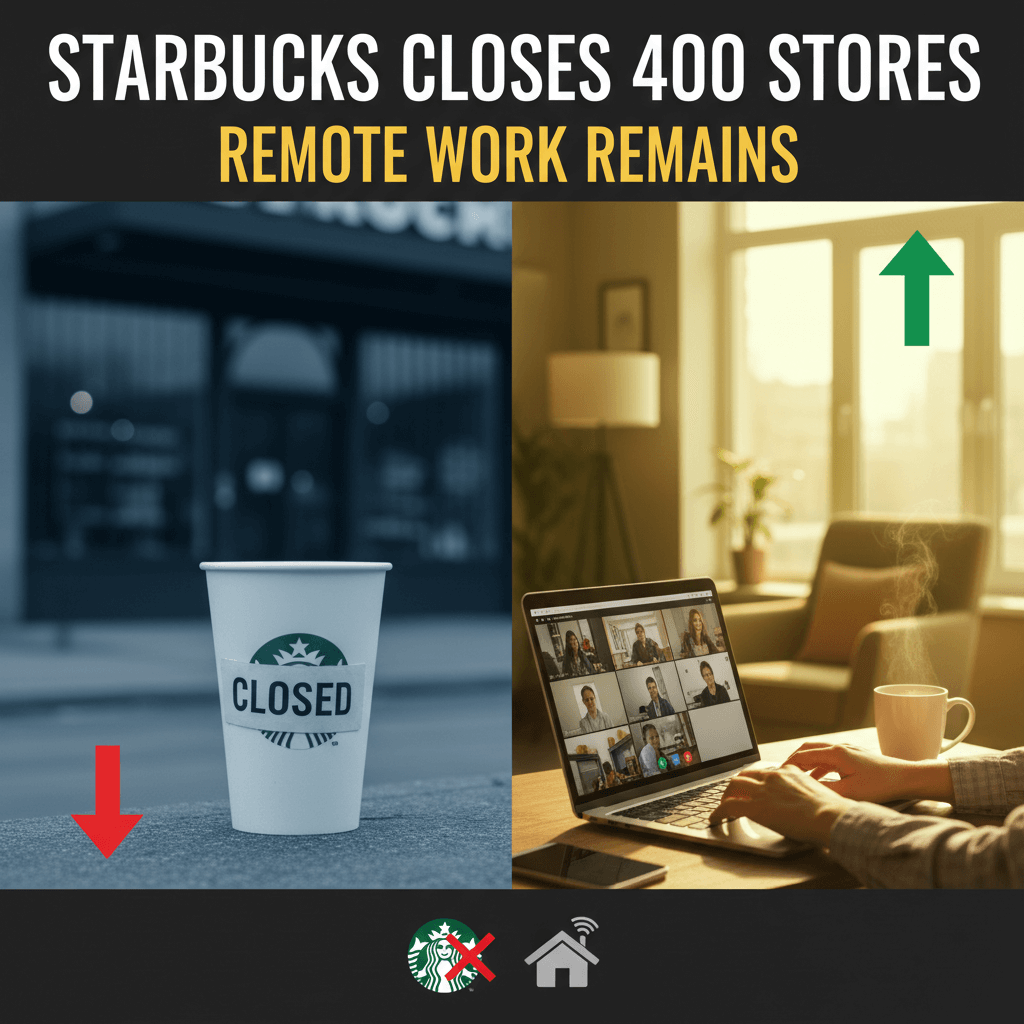
When rumors circulate—“Starbucks is closing 400 stores”—employees and customers ask the obvious question: Why? The easy answer is remote work. The real answer is a blend: shifting demand from office cores to neighborhoods, the rise of drive-thru convenience, the dominance of mobile ordering, cost pressures, and a new definition of “third place” that might be your kitchen, your car, a park bench, or a quiet corner table at 2 p.m., not 8:15 a.m. Remote work is a powerful driver, but it’s part of a broader transformation in how and when we show up for coffee.
As this transformation plays out, Starbucks isn’t alone. Coffee chains, fast-casual brands, independent cafés, grocers, and even gyms are rethinking the basic math of location, daypart, and service format. This article distills what’s happening, why it matters, and—most importantly—what to do next.
What’s really happening—and why it matters beyond one brand
Headlines focus on round numbers because they’re easy to grasp. “Closing 400 stores” is a clear signal of change, but the reality under the headline is more nuanced. Major brands routinely rotate their portfolios: closing underperforming locations, relocating stores to higher-demand corridors, converting cafés to drive-thru or pickup-only formats, and opening new sites where the customers actually are. That can mean net store counts stay flat or even grow, even as familiar storefronts go dark in downtown corridors. In short, closures are a lever, not simply a retreat.
Remote and hybrid work transformed the daily coffee ritual in ways that ripple through profit-and-loss statements and city budgets alike:
- Commute days shifted from five to three (or fewer). Urban cafés that relied on predictable Monday-to-Friday foot traffic lost their most reliable revenue engine: the morning rush. A 20–40% drop in the 7–10 a.m. window can make an expensive downtown lease untenable, even if afternoons are steadier.
- Suburb and exurb demand surged—especially in drive-thru lanes. The same people who no longer queue near office buildings still want their caffeine fix; they just get it closer to home, often by car. That favors formats with speed, parking, and mobile pickup shelves that don’t require lingering.
- Dayparts stretched and blended. Instead of one overwhelming morning peak, some stores now see two or three smaller waves: mid-morning breaks, lunchtime refuels, school pickup windows, and late-afternoon “second coffee” runs.
- Digital ordering is now the default for many. Mobile orders and delivery reduce in-store lines but add new operational bottlenecks—drink congestion, handoff accuracy, and the need for clear pickup flows to avoid crowding.
- The definition of “third place” is evolving. People still crave a communal vibe, but they’re choosier about when and why they sit down. Good Wi-Fi, quiet corners, and a welcoming vibe during off-peak hours can matter more than pre-work speed.
All of that adds up to a brutal arithmetic problem for urban, high-rent cafés that were optimized for pre-pandemic demand patterns. If your labor and lease structure were built around a reliable morning surge, a permanent shift to hybrid work can break the model—even if annual traffic isn’t dramatically lower. The mix changed, and so must the format.
To understand the stakes, consider the levers an operator can pull: increase ticket size (premium drinks, food attach), improve throughput (fewer bottlenecks, better staffing), lower occupancy costs (renegotiate, relocate, close), or shift demand to times you can serve profitably (promotions, subscriptions, events). Starbucks—and many peers—are using all four.
Fast facts and caveats:
- High-profile closures often coincide with relocations or reformatting to drive-thru and pickup concepts. The “400” figure frequently cited in media has at times reflected broader optimization plans rather than one-time, net reductions.
- Remote work is a significant factor, but not the only one; local safety concerns, labor costs, delivery dynamics, and shifting competitive landscapes all contribute.
- Markets aren’t moving uniformly. Some downtowns are rebounding, others remain soft; some suburbs are saturated, others are still under-served.
Bottom line: The coffee map is being redrawn to mirror new patterns of life. The winners aren’t simply cutting losses; they’re re-matching format to demand—quickly.
What customers, baristas, and managers say: Key takeaways from real discussions
Behind every spreadsheet are human stories. Across barista forums, neighborhood groups, industry threads, and everyday conversations, a consistent set of themes emerges. These takeaways illuminate the “why” behind the numbers and point toward practical adjustments.
- “The morning rush isn’t what it used to be.” Weekdays feel like weekends used to. The first true swell may not arrive until 9:30 or 10:00, and it’s often smaller but steadier.
- “Drive-thru saved our week.” Suburban stores with drive-thru windows report resilient volumes and higher satisfaction, especially in lousy weather and during school routines.
- “Mobile orders solved one problem and created another.” Customers love skipping the line, but baristas face “drink pileups” and confusion at the handoff plane if pickup areas aren’t designed for flow.
- “We buy fewer coffees out, but more premium when we do.” Some hybrid workers trade fewer daily café trips for higher-end drinks on the days they go—adding syrups, cold foam, or food attachments.
- “People still want to linger—just not at 8 a.m.” Off-peak dwellers care about seating, sockets, acoustics, and respectful laptop culture. Cafés that signal “stay awhile” win second-coffee orders and food add-ons.
- “Safety and predictability matter.” In certain downtowns, unpredictable street conditions and inconsistent hours push customers to drive-thru or home-brew alternatives.
- “Consistency beats novelty, except when novelty is convenient.” A limited-time drink can pull in traffic, but only if ordering and pickup feel effortless.
- “Commute clusters create micro-peaks.” When teams mandate two to three in-office days, those specific weekdays see mini-comeback rushes. Aligning staffing to employer policies helps.
These sentiments aren’t scientific surveys, but they are operationally useful. They suggest that small, targeted changes—better pickup signage, more off-peak seating, menu engineering that solves specific needs—can unlock demand without a full remodel.
The new retail playbook: Practical moves to adapt and grow
If you run a café, QSR brand, or multi-unit restaurant group, treat this moment as a portfolio and operating design challenge. The goal isn’t to wait for old patterns to return; it’s to get your format, staffing, and marketing in sync with how people live now. Below are concrete steps, prioritized by impact and feasibility.
1) Rebalance your format mix
- Prioritize drive-thru and hybrid models in car-centric trade areas. Where zoning allows, a dual-lane drive-thru with clear mobile pickup shelving can double throughput during micro-peaks. In dense areas, consider walk-up windows and curbside pickup zones.
- Convert underperforming cafés to smaller-footprint pickup stores or shared kitchens. If dine-in is light but off-premise demand is strong, reduce seating, optimize back-of-house for espresso and cold beverages, and add a dedicated courier handoff lane.
- Relocate, don’t just close. When a downtown lease is unsustainable, look within a two-mile radius for a hub site near transit nodes, parking, or residential clusters where hybrid workers pass regularly.
2) Re-map dayparts and labor
- Staff for the peaks you actually have. Use POS data to pinpoint new peak windows (e.g., 10–11:30 a.m. and 2:30–4 p.m.). Shift opener and closer schedules accordingly to reduce labor waste and wait times.
- Launch off-peak bundles. Pair a mid-morning drink with a snack at a slight discount to smooth demand and raise average ticket without clogging the line at 8 a.m.
- Build “surge squads.” Cross-train a floating team that can be scheduled on short notice for known employer in-office days or local event calendars.
3) Make the store commute-worthy (when it counts)
- Design two experiences in one space. A fast-lane pickup corridor for mobile orders and commuters; a comfortable, signal-rich seating zone for lingerers. Clear signage reduces friction.
- Engineer the handoff plane. Separate order pickup for mobile, in-store, and delivery. Label orders clearly and place them on dedicated shelves by name and time to reduce bottlenecks and errors.
- Invest in acoustic comfort and power access. Soft surfaces, consistent music levels, and accessible outlets turn off-peak dwellers into repeat buyers who order that second drink.
4) Rethink the menu for new habits
- Highlight functional beverages for “work energy.” Cold foam, protein add-ons, and customizable caffeine options speak to hybrid workers optimizing their day.
- Speed up high-complexity beverages. Pre-batch components where quality allows, and pre-stage toppings for limited-time offers to avoid bogging down the line.
- Use micro-promotions. Offer app-only “second cup” discounts redeemable after 1:30 p.m. to pull demand into slower windows.
5) Get serious about data instrumentation
- Track neighborhood and employer calendars. Align staffing and inventory to known in-office days, school schedules, and local events.
- Measure line length, wait times, and abandonment. A simple dwell-time study—physical or via camera analytics where compliant—can justify a reflow of the counter or a second espresso bar.
- Segment loyalty members by routine. Message commuter cohorts with pre-order incentives on their in-office days; target suburban at-home segments with mid-morning offers.
6) Optimize real estate economics
- Renegotiate leases with data. Present actual traffic changes and daypart shifts to negotiate percentage rent, co-tenancy triggers, or shorter terms with flexible options.
- Co-locate strategically. Pair with grocers, pharmacies, or gyms that draw steady traffic across the day. Shared ingress/egress and parking amplify convenience.
- Pilot before you pivot. Test pickup-only overlays, temporary patio seating, or pop-up kiosks with measurable goals before committing capex to a full remodel.
Checklist: Your 60-day adaptation sprint
- Week 1–2: Pull six months of POS data; remap peaks; adjust base schedules.
- Week 3–4: Reconfigure the handoff plane; add clear pickup signage; beta a mid-morning bundle.
- Week 5–6: Launch a “second cup after 1:30 p.m.” offer; test a small seating refresh (lighting, outlets, acoustics).
- Week 7–8: Meet your landlord with data; explore flexible lease clauses or relocation options; quantify results and codify into SOPs.
Cities, landlords, and employers: Shared challenges, shared solutions
Starbucks’ footprint changes signal a bigger urban equation. Remote work hasn’t “killed downtowns,” but it has made them more episodic, with concentrated surges and stubborn lulls. Sustainable revitalization will come from aligning incentives across property owners, employers, and municipal leaders.
For city leaders
- Make downtowns worth the trip on non-commute days. Program recurring, predictable events (markets, culture nights, fitness) that give residents and hybrid workers a reason to show up outside office hours.
- Streamline permitting for flexible formats. Encourage pop-up kiosks, outdoor seating, and walk-up windows to lower operators’ risk and create lively street fronts.
- Improve the basics: safety, cleanliness, transit frequency. Perceived safety and predictable transit directly affect café sales. Small, visible improvements matter.
For landlords
- Structure leases for the hybrid era. Shorter base terms with options, percentage rent components, and TI allowances tied to performance give operators the confidence to stay and invest.
- Curate ground floors for blended dayparts. Mix service tenants that collectively cover mornings (coffee), mid-days (fast-casual), afternoons (dessert/juice), and evenings (bars/entertainment).
- Invest in shared amenities. Reliable Wi-Fi in common areas, secure bike storage, and improved lighting extend dwell time and support multi-tenant success.
For employers
- Publish in-office calendars in advance. Regularity helps retailers staff effectively; a predictable Tuesday–Thursday cadence is better than sporadic mandates.
- Co-market with nearby cafés. Subsidize coffee cards on in-office days or offer app-linked perks to encourage on-site collaboration and support local retail.
- Design offices as magnets, not mandates. Comfortable collaboration areas, wellness features, and access to beloved third places draw teams in and help nearby businesses thrive.
When these stakeholders align, a single closure can become an opportunity—a chance to reformat the block, introduce new concepts, and build a neighborhood mix that reflects how people live now.
Employees and independent operators: Protecting livelihoods in a shifting map
Store closures and relocations are real people stories. For baristas, shift leads, and managers, and for independent café owners competing in the same neighborhoods, here are pragmatic steps to navigate change and stay ahead.
For baristas and retail workers
- Build portable skills. Cross-train on drive-thru operations, mobile order management, and closing procedures; these skills travel across store formats and boost your value.
- Follow the demand curve. If your urban store is soft, watch for openings in suburban or drive-thru locations where hours may be more stable and tips stronger.
- Lean into service recovery. With mobile handoffs, mistakes happen. Owning a fix with warmth and speed keeps repeat customers—and managers notice.
- Document wins. Keep a simple log of ideas that improved throughput or guest satisfaction. Concrete results help with transfers and promotions.
For independent cafés
- Specialize where chains can’t. Hyper-local pastries, seasonal single-origin features, and barista-led education nights create loyalty beyond convenience.
- Right-size hours and menus. Don’t chase an old morning peak if it’s gone. Trim early hours, expand late-morning seating, and build a small afternoon snack program.
- Make “Work From Here Wednesdays.” Offer stable Wi-Fi, playlists, power, and a modest tab discount after purchase two, to turn off-peak hours into your signature community slot.
- Partner smartly. Co-host with yoga studios, bookshops, or makers. Neighborhood partnerships pull in new faces without heavy ad spend.
For both employees and owners, the goal is resilience: recognizing where demand has migrated and meeting it with skills, formats, and experiences that make sense today.
Practical resource: The one-page operator dashboard
- Daily: Record open-to-first-peak time, median wait, and drink remake count.
- Weekly: Compare mobile vs. in-person mix, attach rate (food or second beverage), and top SKUs by daypart.
- Monthly: Review staffing vs. sales efficiency (labor as % of sales) and renegotiate delivery platform terms if off-premise mix is high.
Keep it simple and consistent. Your first move isn’t to collect more data; it’s to read the data you already have, then test one change at a time.
From headline to roadmap: How to act on this moment
The notion that “Starbucks is closing 400 stores because remote work remains common” captures a real and visible shift: the friction between old footprints and new habits. But closures are only half the story. The other half is reinvestment—into different formats, new locations, and better orchestration of the digital-to-physical journey. If you’re making decisions right now, here’s how to translate the signal into action.
Turn uncertainty into experiments
- Define two hypotheses per location. Example: “A designated pickup shelf will cut handoff time by 30 seconds” and “A 10:30 a.m. combo will increase attach by 8%.” Then test for two weeks.
- Make holds reversible. Before you change hours permanently, pilot them for 30 days and measure guest feedback, sales, and labor efficiency.
- Tag and track everything. Label offers and operational changes in your POS so you can see what moved the needle.
Double down on convenience, but keep the soul
- Convenience wins the first visit; comfort wins the second. Design the pickup path for speed, and the seating for stayers. Both matter now.
- Signal hospitality in small ways. Clear greeting at the door, name on the cup, and quick acknowledgment of mobile pickups humanize the digital experience.
- Curate sensory quality. Lighting, music, aroma, and cleanliness—these are levers as real as your espresso recipe.
Anchor decisions in local context
- Map your micro-market. Who lives within a 10-minute walk or drive? Where do they go during school pickup, soccer practice, or gym time? Your store should sit on those rivers of routine.
- Watch employer policies. If the three largest nearby offices are in-office Tuesday–Thursday, build your promos and schedules around those days.
- Engage neighborhood groups. Solicit feedback on hours and seating. People who feel heard advocate for you.
Financial guardrails that keep you nimble
- Set green/yellow/red thresholds per store. For example: green if labor is under 28% of sales and peak wait is under four minutes; yellow if one metric slips; red if both do for 60 days—triggering deeper changes.
- Model scenarios quarterly. What happens if morning traffic falls another 10%? If afternoon grows 15%? Prepare pre-approved playbooks so you can act without delay.
- Protect cash. Favor low-capex changes first: signage, seating reflow, and targeted menu tweaks can out-earn a remodel in the short term.
Above all, accept that remote work is not a blip—it’s a baseline. That doesn’t mean downtowns are doomed or that cafés can’t thrive in office districts. It means success now flows to operators who align with flexible lives: less about the 8:15 stampede, more about orchestrating a day full of small, meaningful stops.
A note on the headline and the big picture: Numbers like “400 closures” are snapshots of an evolving strategy. Brands often close, relocate, and open simultaneously, responding to demand shifts such as hybrid work. The most important takeaway isn’t the exact tally; it’s the direction of travel: toward formats and locations matched to today’s routines.
Actionable summary for quick reference
- Shift formats to meet car-first and mobile-first behavior in suburb and exurb markets.
- Staff and promote around new peaks: late mornings and after-school spikes.
- Engineer the pickup experience—clear labeling and dedicated zones—to reduce friction.
- Use micro-offers to smooth demand and lift ticket size in slower dayparts.
- Align real estate terms to hybrid realities with flexible leases and co-tenancy strategies.
- Empower employees with cross-training and recognition tied to throughput and hospitality wins.
- Partner across cities, landlords, and employers to rebuild predictable, vibrant downtown rhythms.
Call-to-action: Your next move starts this week
Don’t wait for a press release to tell you what your customers are already showing you. Take one hour this week to walk your store, your block, or your portfolio with fresh eyes and a simple plan:
- Audit your handoff plane: Is pickup obvious, fast, and accurate? If not, fix the signage tomorrow.
- Pull your last 90 days of POS data: Identify your true peaks and test one schedule shift.
- Design one mid-morning or mid-afternoon offer that supports your goals (higher attach, smoother lines) and run it for two weeks.
- Talk to five customers: Ask what would make them come one more time per week. Implement one suggestion within seven days.
- Set a 30-day review: If the metrics move, scale the change; if not, iterate.
Your city, your store, your team—they’re ready for a new routine. Start now, learn fast, and build the café experience that today’s hybrid life actually uses.
Where This Insight Came From
This analysis was inspired by real discussions from working professionals who shared their experiences and strategies.
- Source Discussion: Join the original conversation on Reddit
- Share Your Experience: Have similar insights? Tell us your story
At ModernWorkHacks, we turn real conversations into actionable insights.




0 Comments