
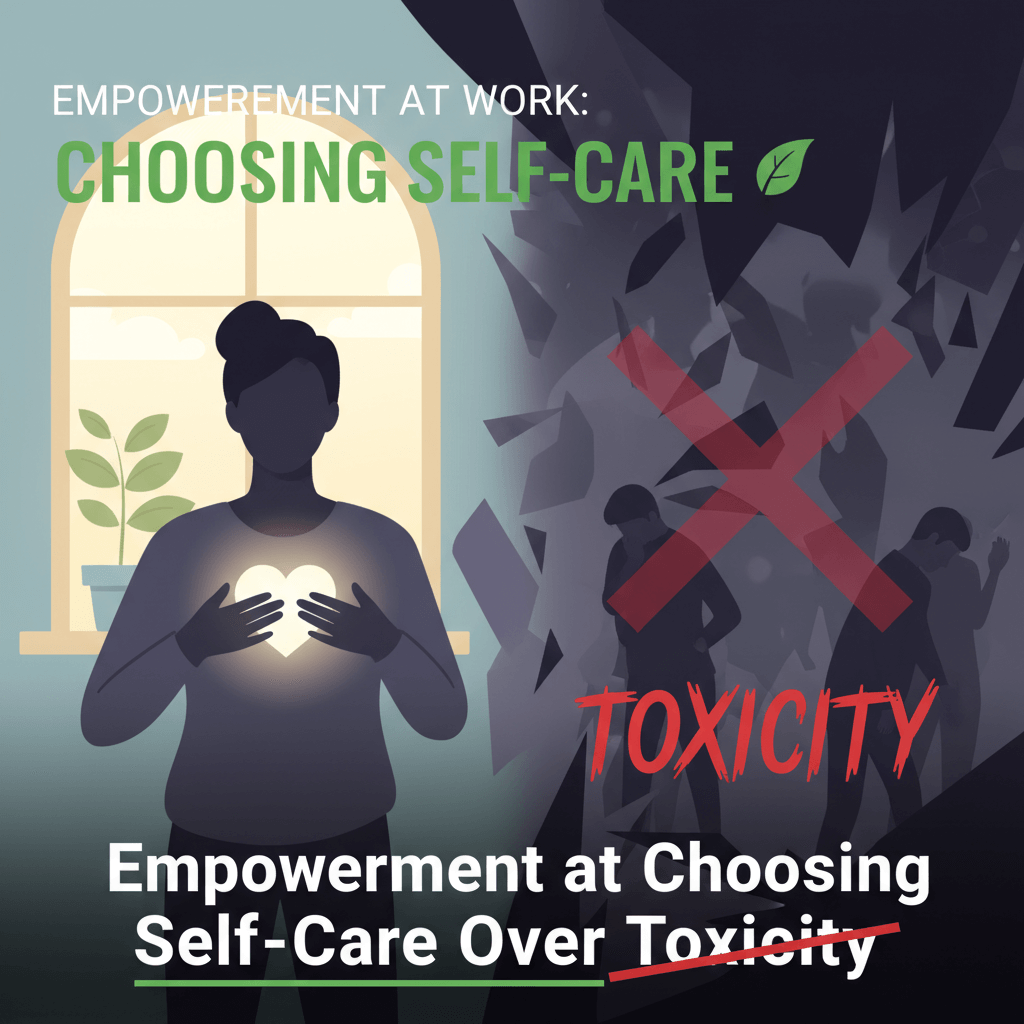
The email arrived at 11:48 PM on a Sunday. “Need those reports by 8 AM tomorrow. No excuses.” Mia stared at her phone, a familiar knot forming in her stomach. This wasn’t the first time her manager had dropped last-minute demands, expecting her to sacrifice her personal time without acknowledgment. After months of anxiety attacks before work, constant criticism, and watching colleagues break down in bathroom stalls, something inside her shifted. The next morning, Mia didn’t show up. Instead, she sent a simple email: “I resign, effective immediately.” No two weeks’ notice. No lengthy explanation. Just a boundary finally enforced.
Stories like Mia’s are becoming increasingly common. A significant shift is happening in workplaces across America, where employees are rejecting the notion that they must endure toxic environments at the expense of their wellbeing. The old power dynamic—where employers held all the cards and employees were expected to show unwavering loyalty regardless of treatment—is crumbling. In its place, a new paradigm of self-advocacy and empowerment is emerging.
The Rising Tide of No-Notice Resignations
According to a 2023 survey by the Society for Human Resource Management, 47% of workers who left their jobs in the past year cited workplace toxicity as their primary reason for leaving. More strikingly, 31% of those departures happened without the traditional two weeks’ notice—a number that has increased by 11% since 2019.
What Constitutes a Truly Toxic Workplace?
Before exploring the justification for leaving without notice, it’s important to distinguish between challenging work environments and truly toxic ones. Toxic workplaces typically display several of these characteristics:
- Persistent psychological abuse, including gaslighting, intimidation, or public humiliation
- Systematic discrimination based on race, gender, age, or other protected characteristics
- Normalized boundary violations, such as expecting work during personal time without compensation
- Retaliation against those who speak up about problems or unethical practices
- Chronic understaffing coupled with unrealistic expectations
Carlos, a former marketing coordinator at a mid-sized tech company, described his experience: “My boss would text me at midnight, then criticize me in team meetings if I didn’t respond immediately. When I raised concerns about workload, I was told I ‘lacked commitment’ and was passed over for promotion. My health deteriorated—I developed insomnia and started having panic attacks. The day I walked out without notice was the day my doctor told me my blood pressure was dangerously high.”
The Self-Care Revolution in Professional Settings
The pandemic fundamentally altered our relationship with work. As remote arrangements blurred the lines between professional and personal spaces, many workers gained clarity about what constitutes reasonable workplace expectations. This newfound perspective, combined with conversations about mental health becoming more mainstream, has fueled what some are calling the “self-care revolution” in professional settings.
The Psychological Impact of Toxic Work
Research published in the Journal of Occupational Health Psychology found that employees in toxic work environments are 79% more likely to experience clinical depression and 35% more likely to develop serious physical health conditions. Dr. Amelia Richardson, an organizational psychologist, explains: “What we’re seeing isn’t just people being ‘too sensitive.’ Toxic workplaces create genuine trauma responses. The body doesn’t distinguish between different types of threats—it responds to psychological abuse with the same stress hormones as physical danger.”
When viewed through this lens, leaving a toxic job without notice isn’t just an act of self-preservation—it’s a necessary health intervention. Consider these actionable ways to recognize when it’s time to prioritize your wellbeing:
- Monitor physical symptoms that appear on workdays but subside during time off
- Track your energy levels and emotional state before, during, and after work interactions
- Notice if you’re increasingly isolating yourself from friends and family due to work stress
Redefining Professional Obligations
The tradition of giving two weeks’ notice has long been considered a professional standard. However, this courtesy evolved during an era when most employer-employee relationships were characterized by mutual respect and reasonable expectations. In toxic environments, this relationship is fundamentally broken.
The Legal Reality of At-Will Employment
In 49 U.S. states (Montana being the exception), employment is “at-will,” meaning either party can terminate the relationship at any time. Employment attorney Janice Forrest notes: “While there can be contractual obligations in some cases, most workers are legally permitted to leave their jobs without notice. The same employers who expect two weeks’ notice would rarely provide two weeks’ warning before terminating an employee.”
This legal reality underscores an important truth: the expectation of notice is a social convention, not a legal requirement in most circumstances. Here are practical considerations when contemplating an immediate departure:
- Review your employment contract for specific notice requirements or potential penalties
- Secure important personal items and information before making your decision known
- Consider the financial implications and ensure you have sufficient resources to bridge to your next opportunity
The Ripple Effects of Choosing Self-Care
When individuals refuse to tolerate toxic conditions, they create positive ripple effects that extend beyond their personal situation. According to a 2022 McKinsey study, companies lose an estimated $223 billion annually due to workplace turnover related to toxic cultures. This financial reality is finally getting the attention of leadership in many organizations.
Collective Impact Through Individual Actions
Each person who refuses to tolerate mistreatment contributes to a larger cultural shift. Tanya Rivera, who left her position as an account manager after experiencing racial microaggressions, shared: “After I left without notice, three other team members followed within two months. The company finally conducted a leadership review and implemented anti-bias training. My departure wasn’t just about my sanity—it forced a conversation they’d been avoiding for years.”
These individual acts of self-preservation collectively signal to employers that toxic behavior carries consequences. Consider these approaches to amplify the impact of your departure:
- Document specific toxic behaviors throughout your employment
- If safe to do so, be honest about your reasons for leaving in exit interviews or final communications
- Connect with industry peers to share experiences (while avoiding legal pitfalls like defamation)
Preparing for Life After a Toxic Workplace
Leaving without notice can create immediate relief, but the journey toward healing often requires intentional effort. A study published in the International Journal of Stress Management found that 67% of workers who left toxic environments reported lingering symptoms of workplace trauma for 6-18 months after departure.
Rebuilding Professional Confidence
Toxic workplaces often systematically undermine employees’ sense of competence and worth. HR consultant Miguel Sanchez explains: “One of the most damaging aspects of toxic work environments is how they convince talented people they’re inadequate. Part of recovery is recognizing that your perceived ‘failures’ were often the result of impossible expectations or moving goalposts.”
After leaving a toxic job, consider these recovery-focused actions:
- Work with a therapist who specializes in workplace trauma or career transitions
- Create a “success inventory” documenting your achievements, skills, and positive feedback from throughout your career
- Connect with supportive former colleagues who can provide perspective on shared experiences
Navigating Future Job Interviews
Many worry that leaving without notice will permanently damage their employment prospects. While this concern is understandable, career coach Denise Washington offers reassurance: “In my 15 years of career counseling, I’ve rarely seen a candidate rejected solely because they left a previous position without notice. What matters is how you frame the decision and what you learned from the experience.”
When discussing your departure in interviews, consider these approaches:
- Focus on your commitment to maintaining high professional standards
- Explain your decision in terms of values alignment rather than personal grievances
- Demonstrate how the experience clarified what you’re seeking in a healthy workplace
Reclaiming Your Power and Well-being
The decision to leave a toxic workplace without notice represents more than just a career transition—it’s a profound act of self-reclamation. By refusing to participate in environments that cause harm, you assert your inherent worth and right to dignity.
As we collectively redefine professional norms, remember that your wellbeing is not negotiable. The courage to walk away from toxicity—even without the traditional courtesy of notice—can be the first step toward reclaiming not just your career, but your sense of agency and worth.
The next time you find yourself dreading Monday morning, experiencing physical symptoms of stress, or feeling diminished by your workplace, ask yourself: “What would it mean to choose myself in this situation?” The answer might be uncomfortable, but it could also be the beginning of your journey back to wholeness.
As Maya Angelou wisely noted, “You can’t really know where you are going until you know where you have been.” By leaving behind what harms you, you create space for what will help you thrive—not just as a professional, but as a human being deserving of respect, dignity, and peace.
Where This Insight Came From
This analysis was inspired by real discussions from working professionals who shared their experiences and strategies.
- Share Your Experience: Have similar insights? Tell us your story
At ModernWorkHacks, we turn real conversations into actionable insights.
![[Workflow Included] A simple 5-node Instagram posting workflow for beginners](https://modernworkhacks.com/wp-content/uploads/2026/04/workflow-included-a-simple-5-node-instagram-posting-workflow-for-beginners-1024x675.png)





0 Comments