
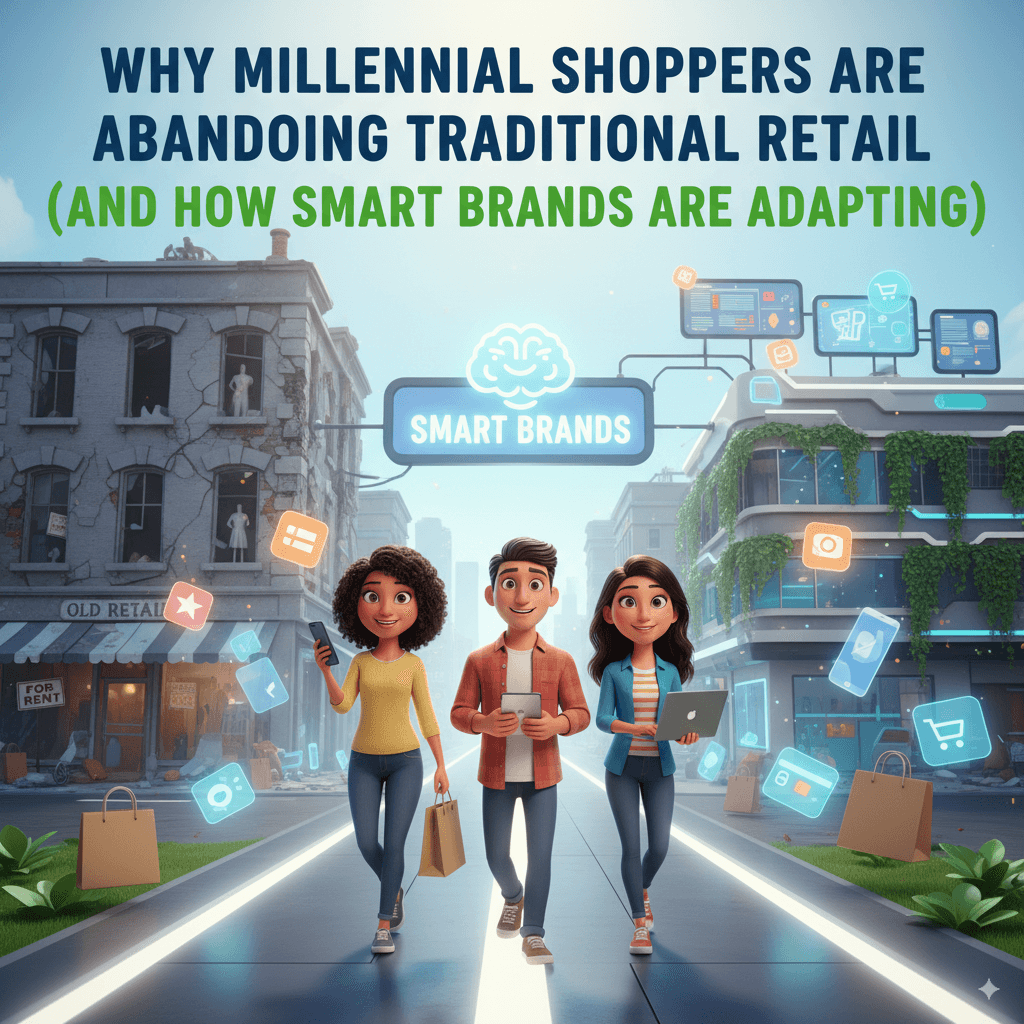
The mall is dying, but shopping isn’t. As traditional retailers struggle with declining foot traffic and empty storefronts, a dramatic shift in consumer behavior is reshaping the retail landscape. Millennials, the generation with growing purchasing power, are abandoning traditional shopping experiences in favor of something different – and smarter retailers are taking notice.
This isn’t just another retail apocalypse story. It’s about understanding a fundamental change in what consumers value and how the most innovative brands are transforming their approach to meet these new expectations.
The Millennial Shopping Revolution: Experience Over Acquisition
For millennials, shopping has become less about accumulating stuff and more about collecting experiences. This generation, born roughly between 1981 and 1996, now makes up America’s largest demographic group with significant purchasing power – yet their spending habits look radically different from previous generations.
Research from Harris Group shows 72% of millennials prefer spending money on experiences rather than material things. This shift represents a fundamental reordering of consumer priorities that traditional retail hasn’t fully grasped.
The evidence is clear in shopping centers across America. Malls designed around product acquisition are struggling, while venues offering memorable experiences are thriving. The key insight? Millennials aren’t anti-consumption – they’re seeking a different type of value from their purchases.
Beyond Products: What Millennial Shoppers Really Want
Understanding what drives millennial purchasing decisions requires looking beyond conventional retail wisdom. This generation shops with different priorities:
1. Authenticity and Transparency
Millennials have grown up in an era of constant marketing and can spot inauthenticity instantly. They expect brands to be transparent about their practices, ingredients, and values. According to a survey by Stackla, 86% of consumers say authenticity is important when deciding which brands to support.
Successful brands like Everlane have built their entire business model around “radical transparency,” detailing the exact costs of materials, labor, and transportation for each product they sell. This transparency creates trust that traditional retail marketing cannot match.
2. Social Responsibility and Values Alignment
For millennials, purchasing decisions extend beyond product quality and price. They want to support companies whose values align with their own. A Nielsen global survey found that 73% of millennials are willing to pay more for sustainable products.
TOMS pioneered the one-for-one model that resonated deeply with this demographic, and countless brands have followed suit with their own purpose-driven initiatives. Patagonia’s environmental activism and commitment to sustainable practices has earned fierce loyalty among millennial consumers who see their purchases as votes for the kind of world they want to live in.
3. Community and Connection
While digital natives, millennials paradoxically crave real-world connection. They’re drawn to brands that create community and facilitate meaningful interactions. This explains the rise of retail concepts like Lululemon, where stores double as yoga studios and community gathering spaces.
“The traditional transaction-focused retail model is broken,” explains retail analyst Sarah Cohen. “Millennials want spaces where they can connect with like-minded people around shared interests. The product becomes secondary to the community experience.”
The Digital-Physical Hybrid: Redefining the Shopping Journey
Contrary to popular belief, millennials haven’t abandoned physical retail entirely. They’ve simply reimagined how it should work alongside digital experiences. The most successful brands understand that online and offline shopping are complementary, not competitive.
Warby Parker exemplifies this hybrid approach. What began as an online-only eyewear company now operates over 100 physical locations. These stores aren’t merely distribution points but carefully designed experiences that complement their digital presence.
Their showrooms invite customers to try on frames in person, get expert advice from stylists, and enjoy the tactile experience of shopping – all while maintaining the convenience of online ordering and home delivery. This model recognizes that different parts of the shopping journey benefit from different channels.
The Rise of “Showrooming” and “Webrooming”
Millennial shopping behavior crosses channels constantly, with research showing two prominent patterns:
- Showrooming: Examining products in physical stores before purchasing online (often at lower prices)
- Webrooming: Researching products online before visiting physical stores to complete the purchase
Smart retailers are designing experiences that accommodate both behaviors rather than fighting against them. Best Buy, once threatened by showrooming, transformed its stores into experience centers with expert staff while price-matching online competitors. This strategy acknowledges millennial shopping patterns rather than resisting them.
Social Commerce: Where Influence Meets Purchase
For millennials, the line between social media and shopping has effectively disappeared. Social platforms have evolved from discovery channels into complete shopping ecosystems where inspiration, validation, and transaction happen seamlessly.
Instagram Shopping, Pinterest’s buyable pins, and TikTok’s shopping features allow users to move from discovery to purchase without leaving their social feed. This integration caters perfectly to millennial shopping habits, where recommendations from peers and influencers carry more weight than traditional advertising.
The numbers tell the story: 84% of millennials say user-generated content influences their purchasing decisions, and 70% of Instagram users turn to the platform to discover new products.
“Social commerce isn’t just another sales channel – it’s reshaping the entire consumer journey by collapsing discovery, consideration, and purchase into a single, seamless experience,” notes digital retail strategist Marcus Thompson.
Case Study: How Glossier Built a Billion-Dollar Brand for Millennials
Few brands better exemplify the new retail paradigm than Glossier. Founded by Emily Weiss in 2014, the beauty company grew from a blog into a billion-dollar brand by understanding exactly what millennial shoppers wanted.
Community First, Products Second
Unlike traditional beauty brands that start with products and then market them to consumers, Glossier began with community. Weiss’s blog “Into The Gloss” built a devoted following of beauty enthusiasts who shared their routines and preferences. Only after deeply understanding this community did Glossier develop products.
This inverted approach meant Glossier’s products were effectively co-created with their consumers. When they finally launched, they already had an engaged audience eager to purchase.
Instagram-Native Retail
Glossier’s minimalist packaging was designed specifically to be “Instagram-worthy,” turning customers into marketers. By creating products that people naturally wanted to share on social media, they built a self-perpetuating marketing engine perfectly aligned with millennial values.
Their physical stores aren’t designed to maximize sales per square foot (the traditional retail metric) but to create shareable moments and foster community. The result? Lines around the block at their pop-ups and showrooms.
How Traditional Retailers Can Adapt to Millennial Shopping Habits
Established retailers aren’t doomed, but they must evolve. Those successfully appealing to millennial shoppers are making several key adjustments:
1. Reimagine Physical Spaces
Traditional retailers should reconsider their stores’ purpose. Instead of simply housing inventory, physical locations should offer experiences unavailable online:
- Interactive product demonstrations
- Classes and workshops related to product use
- Community gathering spaces
- Expert consultations and personalized service
Target has successfully transformed its stores into destinations through thoughtful partnerships with brands like Apple, Disney, and Ulta Beauty, creating store-within-a-store experiences that drive foot traffic.
2. Embrace Omnichannel Integration
Millennials don’t think in terms of channels; they expect a seamless experience across digital and physical touchpoints. Successful retailers are implementing:
- Buy online, pick up in-store options
- Mobile apps that enhance the in-store experience
- Universal shopping carts across platforms
- Consistent pricing and promotions across channels
Nordstrom has excelled here with services like curbside pickup and its integration between full-line stores and Nordstrom Rack locations, creating a cohesive ecosystem that serves different shopping needs.
3. Prioritize Sustainability and Transparency
Retailers cannot afford to ignore millennials’ concerns about environmental and social impact. Practical steps include:
- Providing detailed information about sourcing and manufacturing
- Implementing sustainable packaging initiatives
- Creating take-back and recycling programs
- Supporting meaningful social causes beyond token donations
H&M’s Conscious Collection and garment recycling program represent steps in this direction, though the most successful initiatives go beyond marketing to make substantive changes to business practices.
The Future of Retail: Personalization and Purpose
Looking ahead, the retailers who will thrive with millennial consumers are those that can deliver two things simultaneously: hyper-personalization and authentic purpose.
Data-driven personalization allows brands to create relevant experiences that respect millennials’ time and attention. Meanwhile, a clearly articulated purpose that extends beyond profit gives them a reason to choose one brand over countless alternatives.
Nike represents this balance well. Their Nike+ ecosystem delivers personalized product recommendations and training programs based on individual activity, while their bold stances on social issues demonstrate a commitment to values beyond selling sneakers.
Conclusion: Adaptation, Not Apocalypse
The changing preferences of millennial shoppers don’t spell doom for retail – they signal transformation. Brands that view these shifts as opportunities rather than threats are discovering new ways to connect with the most powerful consumer demographic in today’s market.
The future belongs to retailers who understand that for millennials, shopping isn’t just about acquiring products – it’s about expressing identity, connecting with communities, and participating in experiences that reflect their values and aspirations.
The successful retail brands of tomorrow won’t be those with the most locations or the lowest prices, but those that create the most meaningful relationships with their customers. In the millennial economy, that’s the only currency that truly matters.
Real Stories Behind This Advice
We’ve gathered honest experiences from working professionals to bring you strategies that work in practice, not just theory.
- Read more: Get the full details in the original article
- Join in: See what others are saying and share your thoughts in the Reddit discussion (229 upvotes, 25 comments)
- Tell your story: Have experience with this? Help others by sharing what worked for you at our Contact Us page
At ModernWorkHacks, it’s practical ideas from real people.




0 Comments