I remember sitting across from a CIO at a mid-sized healthcare company who leaned in and whispered, almost conspiratorially, “I know AI could save us millions—but I don’t know what it’s really doing with our data.” That moment stuck with me. It wasn’t fear of innovation holding him back. It was uncertainty, bordering on distrust. Multiply that moment by thousands of boardrooms worldwide, and you begin to see the ethical dilemma at the heart of modern AI adoption.
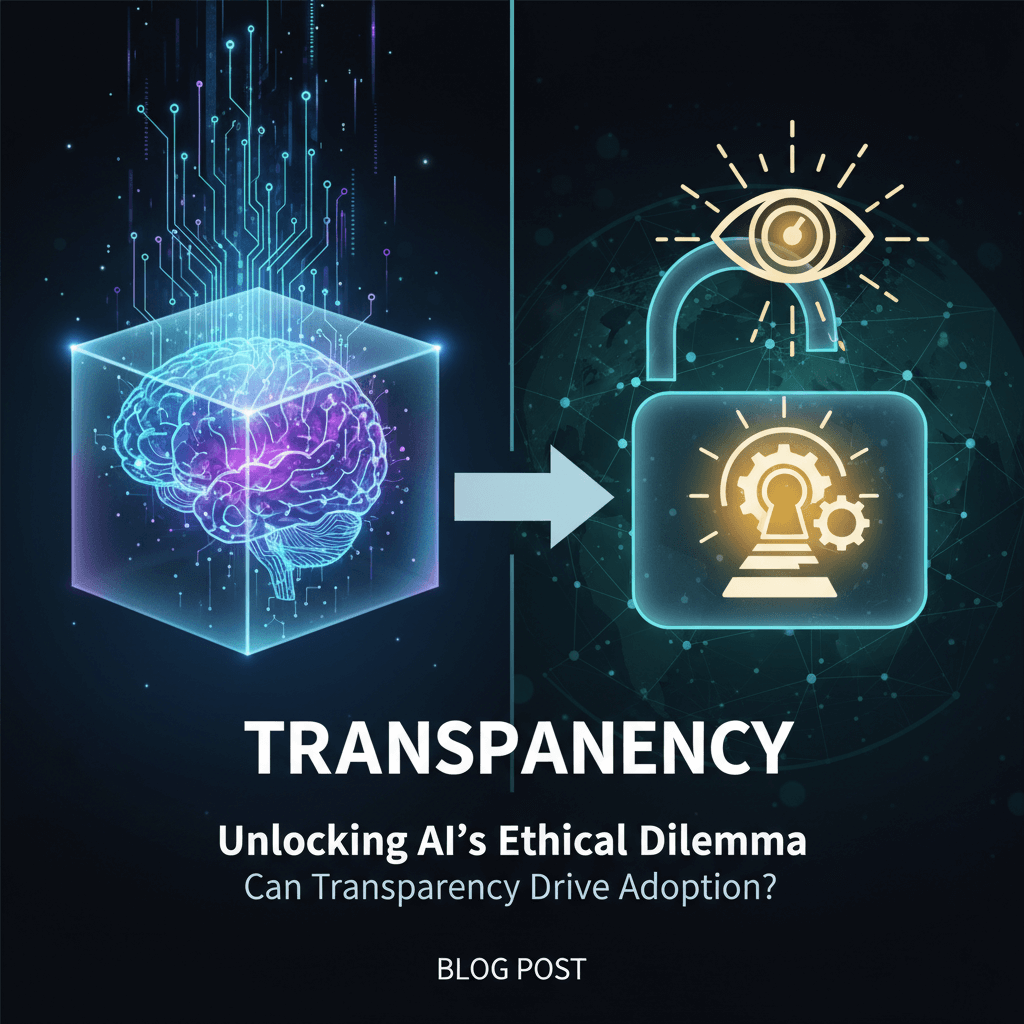
As AI startup Scribe secures a staggering $75 million in funding, it becomes a symbol of both promise and pressure. On one hand, unprecedented innovation. On the other, mounting scrutiny around data handling, transparency, and trust. This article explores the fine line between innovation and ethics in AI consultancy—and asks a critical question: Can transparency actually drive AI adoption rather than slow it down?
The Funding Boom That Put Ethics in the Spotlight
Why Scribe’s $75 Million Matters Beyond the Headline
When Scribe announced its $75 million funding round, Reddit threads lit up with excitement—and skepticism. Users weren’t just asking what the company could build; they were asking what it would know, store, and infer. This reaction is telling. According to a 2023 Edelman Trust Barometer report, 61% of people globally are wary of how companies use their data, even if the service promises efficiency gains.
Funding at this scale signals market confidence, but it also raises expectations. Investors expect rapid growth, enterprises expect measurable ROI, and the public expects ethical stewardship. For AI consultancies like Scribe, ethics is no longer a “nice-to-have.” It’s part of the product.
- Takeaway 1: Large funding rounds amplify scrutiny—ethical missteps scale just as fast as innovation.
- Takeaway 2: Public discourse (especially on platforms like Reddit) often surfaces trust issues earlier than formal regulation.
- Takeaway 3: Startups should anticipate ethical questions as part of go-to-market strategy, not post-launch damage control.
The Core Ethical Dilemma in AI Consultancy
Data Is the Fuel—and the Risk
AI consultancies thrive on data. Operational logs, customer conversations, internal documents—these inputs make AI systems smarter. But they also create ethical landmines. Who owns the data? How long is it stored? Can it be repurposed for model training?
Research from MIT Sloan suggests that companies with clear data governance frameworks are 2.5 times more likely to scale AI successfully. The implication is clear: ethical clarity isn’t just moral—it’s operational.
Yet many startups, racing to innovate, treat ethics as an afterthought. This creates a tension between speed and responsibility.
- Takeaway 1: Define data ownership explicitly in contracts, not buried in legal jargon.
- Takeaway 2: Separate client data from training data unless explicit consent is granted.
- Takeaway 3: Regularly audit data pipelines to identify unintended data exposure.
Transparency as a Competitive Advantage
From Black Boxes to Glass Boxes
One of the loudest criticisms of AI is its “black box” nature. Clients are asked to trust outputs they don’t fully understand. Transparency flips this dynamic. When AI consultancies explain how models work, what data they use, and where limitations lie, adoption accelerates.
A PwC study found that 87% of executives believe explainable AI will be a competitive differentiator within the next three years. Transparency doesn’t weaken IP; it strengthens credibility.
I’ve seen this firsthand. A fintech client chose a slightly less sophisticated AI tool simply because the vendor provided clear documentation, model cards, and ethical guidelines. Trust beat raw performance.
- Takeaway 1: Publish plain-language explanations of AI models for non-technical stakeholders.
- Takeaway 2: Use dashboards that show how data flows through systems in real time.
- Takeaway 3: Be upfront about limitations—clients respect honesty more than perfection.
Case Studies: When Ethics Help—or Hurt—Adoption
IBM Watson: A Lesson in Overpromising
IBM Watson’s healthcare ambitions are a cautionary tale. Despite cutting-edge technology, Watson faced backlash due to opaque decision-making and questionable training data. Hospitals struggled to trust recommendations they couldn’t verify. Adoption stalled, not because the tech failed entirely, but because transparency lagged behind ambition.
Conversely: OpenAI’s Model Cards and Usage Policies
While not perfect, OpenAI’s use of model cards, usage policies, and public research has set a benchmark. By openly discussing risks, biases, and limitations, they’ve enabled enterprises to make informed decisions. Transparency didn’t eliminate criticism—but it fostered dialogue.
- Takeaway 1: Overpromising without transparency erodes long-term trust.
- Takeaway 2: Documentation is not bureaucracy; it’s a trust-building tool.
- Takeaway 3: Public accountability invites scrutiny—but also credibility.
The Role of Community and Public Discourse
Why Reddit and Forums Matter More Than Press Releases
The Reddit discussions around Scribe’s funding reveal something important: communities act as informal ethics boards. Engineers, privacy advocates, and everyday users dissect claims in real time. Ignoring these spaces is a missed opportunity.
According to a 2024 Stack Overflow survey, 70% of developers say ethical considerations influence their choice of tools. These are the same developers who implement, recommend, or resist AI solutions internally.
- Takeaway 1: Monitor and engage in community discussions authentically—not defensively.
- Takeaway 2: Treat criticism as early warning signals, not PR threats.
- Takeaway 3: Use feedback loops from public forums to refine ethical policies.
Building Ethical Transparency Into the Business Model
From Values to Revenue
The most forward-thinking AI consultancies bake ethics into their pricing, onboarding, and service delivery. Transparency reports, third-party audits, and ethical SLAs are becoming revenue enablers.
Deloitte reports that organizations with mature AI ethics programs see 30% higher stakeholder trust scores. Trust translates into longer contracts, lower churn, and stronger referrals.
For startups like Scribe, this means viewing ethics not as friction, but as infrastructure.
- Takeaway 1: Offer tiered transparency services, from basic compliance to deep audits.
- Takeaway 2: Appoint an internal ethics lead early—even before regulatory pressure.
- Takeaway 3: Measure trust as a KPI alongside revenue and growth.
Synthesis: Can Transparency Truly Drive Adoption?
Innovation and ethics are often framed as opposing forces. In reality, they are deeply intertwined. As AI consultancies scale, the cost of opacity grows exponentially. Transparency, while uncomfortable at times, acts as a stabilizing force.
Scribe’s $75 million funding round is not just a financial milestone—it’s a test. Will the company use its resources to double down on speed alone, or will it invest in the slower, harder work of ethical clarity?
I believe transparency doesn’t just drive adoption—it sustains it. The challenge for readers, founders, and consultants alike is this: Are we willing to explain not just what our AI can do, but what it should do?
The next wave of AI winners won’t be those who move fastest, but those who earn trust deliberately. The question is no longer whether ethics matters. It’s whether we’re brave enough to make it visible.
Where This Insight Came From
This analysis was inspired by real discussions from working professionals who shared their experiences and strategies.
- Share Your Experience: Have similar insights? Tell us your story
At ModernWorkHacks, we turn real conversations into actionable insights.




0 Comments