On a quiet Tuesday morning, I opened my laptop at my kitchen table, coffee still steaming, Slack notifications already buzzing. A former colleague messaged me: “Our company just announced mandatory three days in-office. Half the team is polishing their résumés.” That moment captured something bigger than one workplace policy. It revealed a shift in power, expectations, and identity at work.
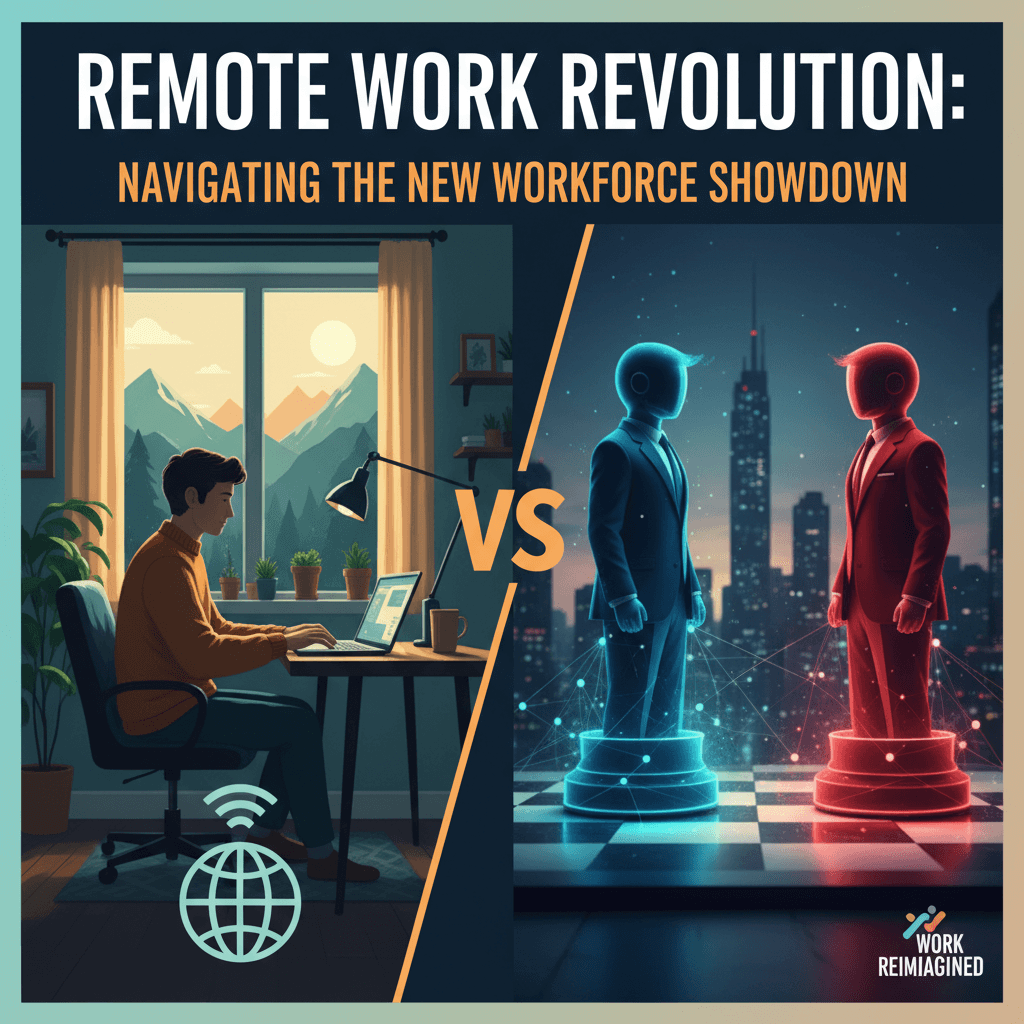
When employees call the shots, what does it mean for the future of work? The remote work revolution is no longer about convenience or temporary pandemic accommodations. It has become a showdown—between autonomy and authority, trust and control, tradition and transformation. In this article, I’ll explore why employees are resisting mandatory office returns, how this movement is reshaping employer-employee dynamics, and what it means for job security, leadership, and the long-term future of work.
The Rise of Employee Pushback Against Office Mandates
From Quiet Compliance to Collective Resistance
In 2020, remote work felt like an emergency response. By 2023 and beyond, it evolved into a lifestyle expectation. According to a Pew Research Center survey, over 35% of U.S. workers with jobs that can be done remotely now work from home all the time, while another 41% do so some of the time. When companies began issuing blanket return-to-office (RTO) mandates, many employees didn’t quietly comply—they pushed back.
Reddit threads in communities like r/antiwork and r/careeradvice regularly feature posts from workers weighing ultimatums: relocate, commute, or resign. What stands out is not just frustration, but confidence. Employees are comparing notes, sharing exit strategies, and collectively questioning whether office presence truly equals productivity.
- Actionable takeaway: If you’re an employee, document your remote work wins—metrics, outcomes, and feedback—to support your case.
- Actionable takeaway: Employers should audit which roles genuinely require physical presence versus legacy assumptions.
- Actionable takeaway: Leaders can pilot hybrid experiments instead of enforcing rigid mandates.
Why Remote Work Became a Line in the Sand
Autonomy, Identity, and Quality of Life
Remote work is no longer perceived as a perk. For many, it’s intertwined with mental health, caregiving responsibilities, and geographic freedom. I’ve spoken with parents who reclaimed hours once lost to commuting, and with knowledge workers who moved closer to family without sacrificing career growth.
Research from Stanford economist Nicholas Bloom shows remote workers report higher job satisfaction and equal or greater productivity compared to in-office peers. When employees are asked to give that up without a compelling reason, it can feel like a personal loss—not just a policy change.
- Actionable takeaway: Employees should articulate how remote work supports their performance, not just their comfort.
- Actionable takeaway: Managers can reframe success around outcomes, not visibility.
- Actionable takeaway: HR teams should include quality-of-life metrics in workforce planning.
The Employer Perspective: Control, Culture, and Collaboration
What Leaders Fear—and Sometimes Get Wrong
Many executives argue that offices drive innovation, mentorship, and culture. These concerns aren’t baseless. A 2022 Microsoft study found that while remote work boosts individual productivity, it can weaken cross-team collaboration if not intentionally designed.
However, the mistake I often see is assuming proximity automatically creates connection. Culture is not a building; it’s a system of behaviors, incentives, and trust. Forcing attendance without rethinking how work happens often exacerbates disengagement rather than solving it.
- Actionable takeaway: Employers should invest in intentional collaboration rituals, both virtual and in-person.
- Actionable takeaway: Leaders can measure collaboration outcomes instead of attendance rates.
- Actionable takeaway: Companies should train managers to lead distributed teams effectively.
Job Security in the Age of Defiance
Are Employees Taking a Risk—or Redefining Leverage?
One of the most common fears voiced online is job security. Can you really say no to an RTO mandate and keep your job? The answer depends on leverage, skills, and market conditions. In high-demand fields like software engineering, data analysis, and digital marketing, employees often have options. In tighter markets, the calculus is different.
Yet even layoffs complicate the narrative. Companies like Meta and Amazon have implemented RTO policies alongside workforce reductions, leading some employees to interpret mandates as “soft layoffs.” This perception erodes trust and accelerates attrition among top performers.
- Actionable takeaway: Employees should assess their market value before taking a stand.
- Actionable takeaway: Employers must communicate transparently about the intent behind RTO policies.
- Actionable takeaway: Both sides benefit from negotiation over ultimatums.
Case Studies: When Flexibility Wins—and When It Fails
Success Stories and Cautionary Tales
Consider GitLab, a fully remote company with over 1,500 employees across more than 60 countries. Its transparent handbook and asynchronous-first culture have enabled scale without offices. On the other hand, companies that abruptly reversed remote policies without consultation saw spikes in resignation rates.
One mid-sized tech firm I advised lost 20% of its senior engineers within six months of enforcing a five-day office week. Exit interviews revealed not laziness, but a sense of betrayal. Contrast that with firms offering flexible hybrid models, which often report higher retention and engagement.
- Actionable takeaway: Study remote-native companies for best practices.
- Actionable takeaway: Use exit interview data as an early warning system.
- Actionable takeaway: Pilot changes before scaling them organization-wide.
The Power Shift: Redefining the Employer-Employee Relationship
From Hierarchies to Negotiated Agreements
The remote work showdown reflects a broader shift in workplace power dynamics. Employees are no longer passive recipients of policy. They are stakeholders with voices amplified by social platforms and tight-knit online communities.
This doesn’t mean employers have lost authority—but it does mean authority must be earned through trust and clarity. The future of work is less about enforcing sameness and more about designing systems that accommodate difference.
- Actionable takeaway: Employees should approach negotiations with data and professionalism.
- Actionable takeaway: Employers can co-create policies with employee input.
- Actionable takeaway: Both sides should view flexibility as a competitive advantage.
Where We Go From Here: The Next Chapter of Work
The remote work revolution is not a temporary rebellion; it’s an inflection point. We are witnessing a redefinition of loyalty, productivity, and trust. Companies that cling to outdated models risk losing talent. Employees who ignore economic realities risk instability.
The challenge—and opportunity—is to move beyond standoffs toward sustainable compromise. Whether you’re a leader or an individual contributor, now is the moment to ask hard questions about what work should look like and who gets to decide.
My challenge to you: Don’t default to fear or nostalgia. Experiment, measure, and communicate. The future of work is being negotiated in real time, and your voice—whether in the boardroom or the break room—matters.
Where This Insight Came From
This analysis was inspired by real discussions from working professionals who shared their experiences and strategies.
- Share Your Experience: Have similar insights? Tell us your story
At ModernWorkHacks, we turn real conversations into actionable insights.




0 Comments