
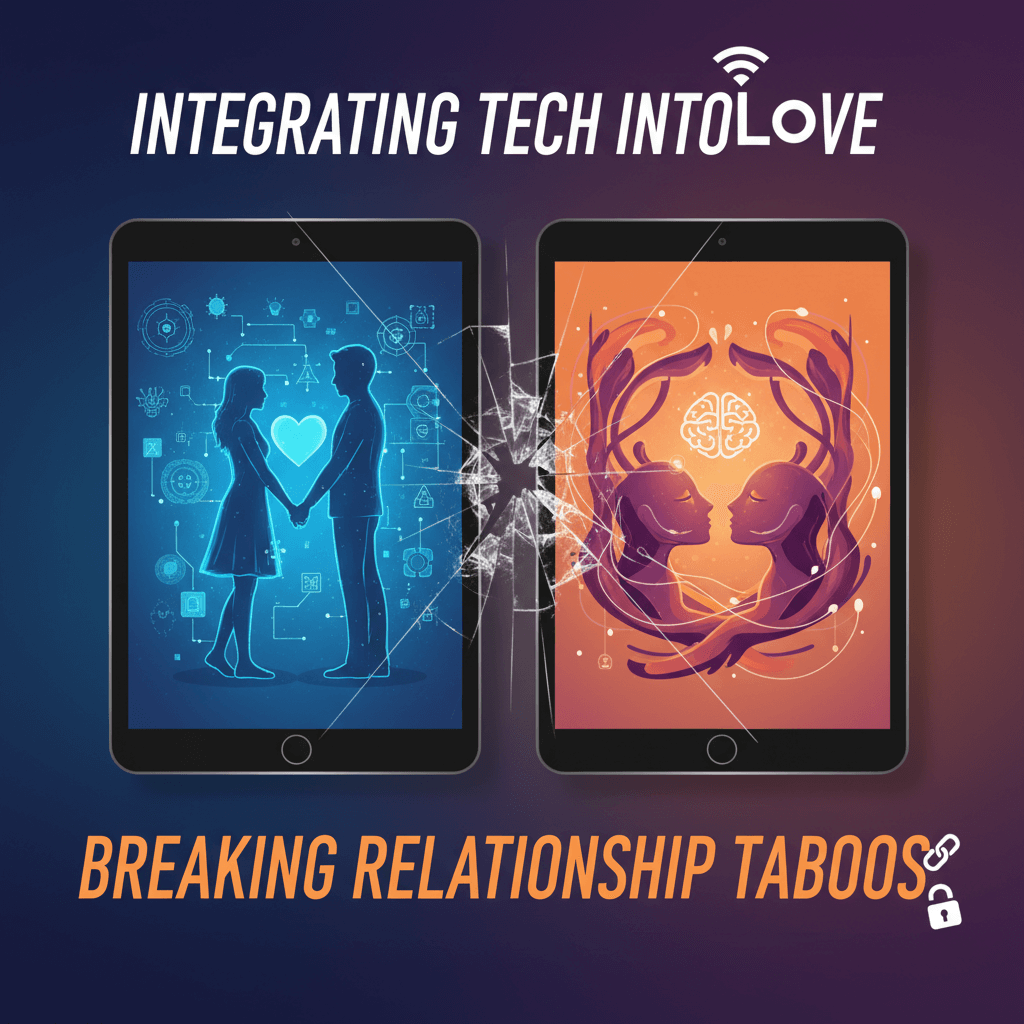
A few months ago, I was sitting across from a close friend at a café when she hesitated, lowered her voice, and said, “We started using a relationship app.” She glanced around as if she’d just confessed to something scandalous. Not cheating. Not therapy. Just… an app. We laughed, but the moment stuck with me. Why did something designed to help two people communicate better feel like a guilty secret?
That question exploded in popularity when a viral Reddit post asked, “Why is it weird to use relationship apps when they could literally solve half of modern relationship problems?” Thousands of comments poured in—some defensive, some curious, many deeply personal. The debate revealed a quiet tension in modern love: we use technology to manage our money, health, productivity, and even sleep, yet when it comes to intimacy, tech is still treated like an intruder.
This article explores why that taboo exists, how it’s shifting, and what happens when we thoughtfully integrate technology into our romantic lives. Drawing from personal anecdotes, expert insights, and data-backed research, I’ll argue that technology isn’t replacing intimacy—it’s redefining how we protect and nurture it.
The Unspoken Taboo: Why Tech in Relationships Feels “Wrong”
For many of us, the idea of using apps or digital tools to manage a relationship triggers discomfort. Love, after all, is supposed to be organic, spontaneous, and deeply human. Adding technology can feel like outsourcing emotions or admitting failure.
Cultural Narratives Around “Natural” Love
Romantic ideals have long told us that if a relationship is “right,” communication should be effortless. Movies rarely show couples scheduling check-ins or tracking emotional patterns. Instead, love is framed as intuitive—something you just feel.
Yet this narrative clashes with reality. According to the American Psychological Association, communication issues are cited in over 65% of couples seeking therapy. If communication were truly intuitive, therapists would be out of work.
- Reframe the narrative: Tools don’t replace love; they support it, much like calendars support busy families.
- Notice the double standard: We accept fitness trackers for health but resist emotional trackers for relationships.
- Question the “shoulds”: Ask where your beliefs about “natural” love actually come from.
The Fear of External Judgment
The Reddit thread revealed a recurring fear: being judged. Many commenters admitted they hid their use of relationship apps from friends. Using tech felt like airing private issues or signaling weakness.
But secrecy often fuels shame. When we treat relationship tools as taboo, we discourage proactive care and normalize crisis-only intervention.
- Normalize conversation: Share your experiences selectively with trusted peers.
- Shift language: Instead of “we need help,” try “we’re investing in our relationship.”
- Lead by example: Openness often invites others to reflect on their own habits.
What Technology Is Actually Doing for Modern Couples
Strip away the stigma, and relationship technology looks surprisingly practical. From shared calendars to mood-tracking apps, these tools address everyday friction points that erode intimacy over time.
From Logistics to Emotional Awareness
One Reddit user described how a shared task app reduced 80% of their arguments. Not because it made them more romantic, but because it removed resentment. Another talked about using a weekly check-in app that prompted conversations they’d otherwise avoid.
Research supports this. A 2023 study published in the Journal of Social and Personal Relationships found that couples who engaged in structured weekly check-ins reported higher relationship satisfaction and lower conflict intensity.
- Start small: Use tech for logistics first—chores, schedules, reminders.
- Build emotional layers: Introduce tools that prompt reflection or gratitude.
- Review regularly: Assess what’s helping versus what feels intrusive.
Technology as a Neutral Mediator
One underrated benefit of relationship apps is neutrality. When an app prompts a question like “How supported did you feel this week?”, it removes blame from the equation. The conversation starts with curiosity, not accusation.
Therapists often use similar techniques in session. Digital tools simply make them accessible between sessions—or instead of them.
- Use prompts, not scripts: Let questions guide conversation, not dictate it.
- Respect timing: Choose moments when both partners are emotionally available.
- Pair with empathy: Technology opens the door; empathy keeps it open.
The Challenges: When Tech Becomes a Third Wheel
Of course, not all integration is healthy. Technology can amplify problems if used carelessly or compulsively.
Over-Optimization and Emotional Burnout
Some couples fall into the trap of over-tracking—logging every mood, conversation, or conflict. What begins as awareness can morph into surveillance.
A 2022 Pew Research survey found that 28% of adults felt overwhelmed by the amount of self-tracking technology in their lives. Relationships are no exception.
- Set boundaries: Decide together what you track and what stays private.
- Allow imperfection: Not every emotion needs documentation.
- Check emotional impact: If a tool creates anxiety, reassess its value.
Replacing Conversation Instead of Enhancing It
Another risk is substitution. Apps should prompt conversations, not replace them. If feedback stays trapped in notifications, intimacy stalls.
- Use tech as a bridge: Move from digital prompts to face-to-face dialogue.
- Avoid passive communication: Don’t let emojis replace emotional honesty.
- Schedule unplugged time: Protect moments of undistracted presence.
Expert Perspectives: What Therapists and Researchers Say
When I spoke with relationship therapists about this trend, none were surprised. Most were cautiously optimistic.
Technology as Preventative Care
“We wait until relationships are in crisis to seek help,” one licensed marriage counselor told me. “Apps can function like preventative care—small interventions before resentment calcifies.”
This aligns with healthcare data showing preventative approaches reduce long-term costs and distress. Emotional health follows similar patterns.
- Adopt a maintenance mindset: Don’t wait for problems to escalate.
- Combine approaches: Tech works best alongside emotional literacy.
- Seek guidance when needed: Apps aren’t replacements for professional help.
The Importance of Intentional Use
Experts emphasize intention over tools. A well-designed app used mindlessly is less effective than a simple reminder used thoughtfully.
- Clarify goals: Know why you’re using a tool.
- Align values: Ensure both partners are on board.
- Review outcomes: Adjust or abandon tools that don’t serve you.
Reddit as a Mirror: What the Community Conversation Reveals
The viral Reddit discussion matters because it reflects a broader cultural shift. Thousands of strangers shared vulnerabilities, successes, and doubts. This wasn’t just about apps—it was about permission.
From Shame to Shared Experimentation
Many commenters said the thread made them feel less alone. Seeing others experiment with tech normalized the idea that love requires effort, not just feeling.
- Learn from peers: Community stories offer real-world context.
- Embrace experimentation: Treat tools as trials, not commitments.
- Contribute thoughtfully: Sharing experiences helps shift norms.
Integrating Tech Without Losing the Human Element
The future of love isn’t analog versus digital—it’s intentional integration. Technology should support what makes relationships meaningful: trust, empathy, and presence.
I think back to my friend in the café. Months later, she told me the app didn’t save her relationship. What saved it was the conversations the app made easier to start.
The challenge I’ll leave you with is this: examine your resistance. Is it about the tool itself, or about what it reveals? If technology can help us love with more clarity, consistency, and care, maybe the real taboo isn’t using it—it’s pretending we don’t need help.
So try one experiment. One shared check-in. One intentional digital habit. Not because your relationship is broken, but because it’s worth maintaining. Modern love deserves modern tools—used wisely, humanely, and without shame.
Where This Insight Came From
This analysis was inspired by real discussions from working professionals who shared their experiences and strategies.
- Share Your Experience: Have similar insights? Tell us your story
At ModernWorkHacks, we turn real conversations into actionable insights.



0 Comments