Hook: Discover actionable insights you can apply today—distilled from real conversations with remote workers, managers, and teams who’ve navigated the shift and emerged healthier, steadier, and surprisingly more productive.
The story that changed how I work (and how often I get sick)
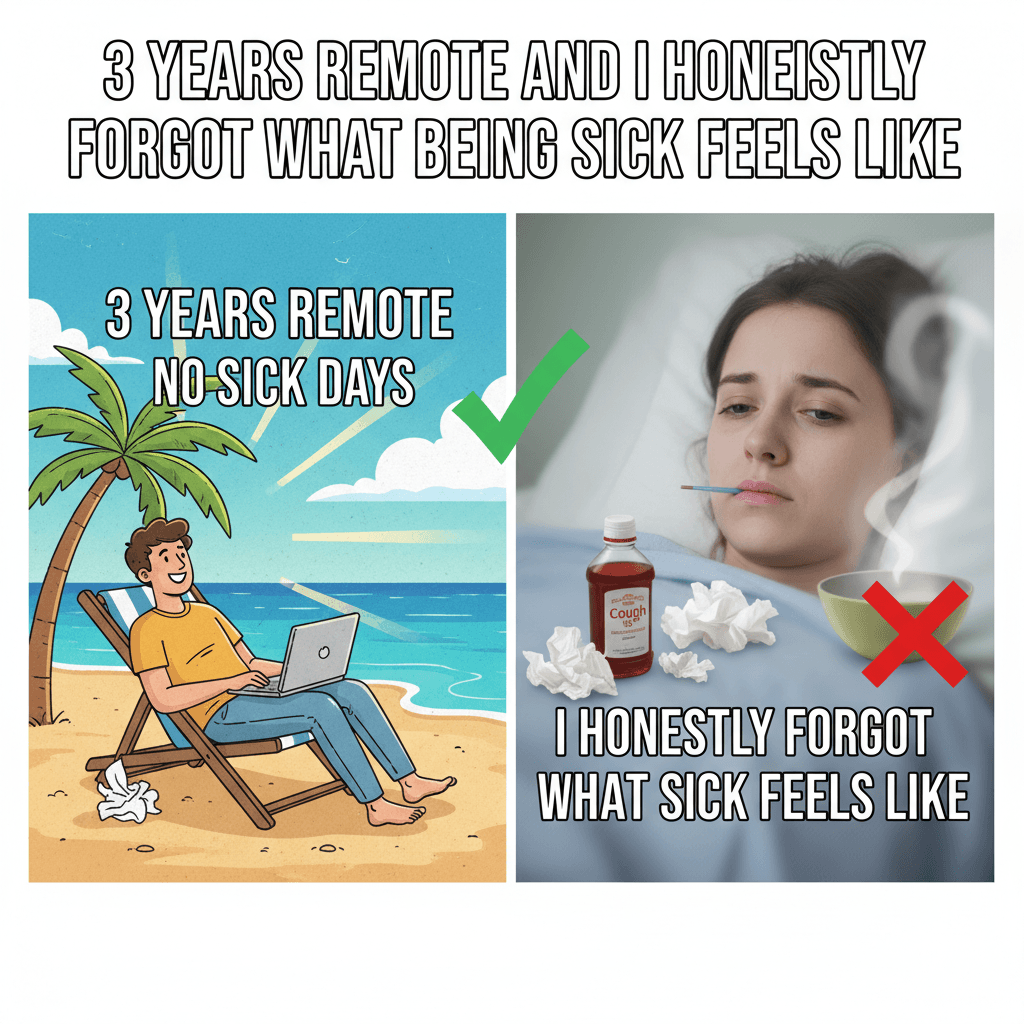
Three winters ago, I was the person who caught everything. Stomach bugs, sinus infections, the mystery cough that lurked for seven weeks—if there was a pathogen in a 20-mile radius, it sent me an Outlook invite. I wore it like a weary badge: the burned-out commuter with the travel mug and the pocket tissue pack, wiping down shared desks and crossing my fingers.
Then, in a single season, my life switched tracks. I went fully remote. At first, the quiet unnerved me. I kept waiting for the usual parade of seasonal sniffles and the mid-March spiral into yet another antibiotic. But something odd happened: nothing. I felt fine. Not “Instagram wellness” fine. Just steady. My energy didn’t crash by 3 p.m. My throat didn’t catch fire in January. The calendar promised the annual cold; my body politely declined.
People told me it was a fluke, a lucky streak. But the pattern held through spring, summer, and two more winters. As I settled into remote life—tweaking light, better chairs, clearer boundaries—the sick days vanished. The dramatic health reversal wasn’t magic. It was the compound effect of removing five daily frictions and adding five tiny, repeatable habits.
And it isn’t just me. If you’ve lurked in Slack threads, subreddit AMAs, or team retros where people drop their “what actually worked” tips, you’ve probably seen the same theme: fewer colds, fewer flare-ups, steadier mood, and clearer thinking. The headline is dramatic; the mechanisms are mind-numbingly practical: less exposure, better sleep, calmer mornings, more control of your air and your time, and a work rhythm that respects a body, not just a calendar.
This article distills those real discussions into a usable guide—what to copy, what to avoid, and how to design your own system so that “I honestly forgot what being sick feels like” becomes, if not your everyday reality, at least a regular season in your year.
Why remote work quietly makes you feel healthier
Unexpected health gains from remote work don’t come from one big change; they come from a cluster of small ones that add up. Here’s where the leverage really lives, according to consistent patterns from team chats, cohort courses, and candid manager 1:1s.
Less exposure, fewer chain reactions
Offices are network hubs, and not only for ideas. You share air, surfaces, and constant proximity. Remote work reduces those exposure points—commutes, elevators, open-plan seating—and cuts the cascade effect of “one person sick, half the team down in a week.” Fewer viral rides, fewer sick days. It’s not zero risk, but it is meaningfully lower.
Commute stress disappears (and your immune system notices)
Daily commutes are hidden stressors. They compress your morning into a sprint, spike cortisol, add decision debt, and steal the time you would spend moving with purpose or eating a proper breakfast. Without that grind, many remote workers report calmer mornings and fewer late-afternoon crashes, which translates into a more resilient baseline.
Sleep gets protected by design
When you start work from home, you can time your mornings to your biology more easily. Many remote workers reclaim 30–90 minutes of sleep per night and standardize their bedtime because they no longer gamble with traffic or transit. More sleep equals a better-functioning immune system and sharper cognition.
Your micro-environment becomes a performance tool
In an office, you compromise on light, air, temperature, and noise. At home, you control them. That means better airflow, a humidifier in dry months, natural light placement, and fewer unpredictable interruptions. The body is sensitive to consistent environmental signals; when you dial them in, your energy curve smooths out.
Nutrition and hydration stop being afterthoughts
Food availability and timing are huge. Office snacks skew salty and sweet; remote kitchens can be stocked with real options. With no commute, you can cook once, eat twice, and drink water without hauling a bottle across meetings. Blood sugar spikes flatten, and so does the mid-morning brain fog.
Actionable takeaways
- Design a 10-minute “open the day” ritual: light exposure at a window, water, two minutes of stretches, then sit. Consistency beats intensity.
- Run a one-week environmental check: track sleep, humidity (aim for 40–50%), temperature (19–22°C/66–72°F), and light. Adjust one variable per week.
- Front-load infection reduction: hand hygiene post-deliveries, well-ventilated common areas, and “mask and mute” policy for anyone symptomatic on in-person meetups.
- Replace the commute with a micro-walk: 8–12 minutes outside before your first deep-work block. Protects circadian rhythm and primes focus.
- Standardize lunch: pre-commit to three easy meals you can assemble in five minutes. Decision-light meals create adherence.
The hidden traps of remote life (and how to dodge them)
Remote work doesn’t automatically make you well. Plenty of people swap cold season for chronic stiffness, isolation, or quiet burnout. The difference between “thriving” and “functionally online” often comes down to five traps—and simple countermeasures picked up from team forums and wellness check-ins.
Trap 1: The ergonomic time bomb
Dining chairs, soft couches, and laptops perched too low create months-long strain. The fix is usually height, not hardware: screen at or slightly below eye level, elbows at 90 degrees, feet flat, and a chair that supports neutral spine.
Trap 2: The movement deficit
Without accidental steps to conference rooms and coffee runs, your daily movement collapses. The antidote is intentional micro-movement: 2–5-minute breaks every hour, plus one reliable 20–30-minute block of activity most days.
Trap 3: The always-on blur
When your office is your sofa, the day never ends. Slack pings bleed into dinner, and your brain never powers down. Healthy teams agree on response-time norms, calendar quiet hours, and predictable handovers.
Trap 4: Social nutrient deficiency
You need people. Remote can turn into a quiet drift if you let it. Create anchors: weekly friend calls, hobby groups, coworking days, or structured virtual coffees that are not status updates.
Trap 5: Eye strain and cognitive drain
Back-to-back video calls burn energy fast. Defaulting to video for everything is the fastest way to make remote miserable. Async-by-default with purposeful meetings saves eyes and brains.
Actionable takeaways
- Ergonomics in 10 minutes: stack books under the laptop, detach a keyboard/mouse, roll a towel for lumbar support, and set a “posture reset” reminder at the top of each hour.
- Adopt the “3-2-1” movement rule: three micro-breaks per hour (30 seconds each), two short walks per day (5–10 minutes), one meaningful activity block (20–30 minutes).
- Create start/stop rituals: light a candle to start, close with a five-line daily summary note, then shut the lid. Train your brain to respect the off switch.
- Socialize on schedule: book a recurring 30-minute midweek coffee with a friend or mentor, and join one virtual community with regular live sessions.
- Flip the meeting default: text first, then audio, then video. If video is needed, cap to 25 or 50 minutes and insert a 3-minute camera-off reset.
What people actually do that works: key takeaways from real discussions
In team retros, Reddit threads, and Slack channels dedicated to remote life, the most useful insights aren’t platitudes—they’re small, repeatable tactics. These are the patterns that surface again and again.
Daily rituals that build consistency
- The “two-door rule”: even in a studio apartment, create two thresholds—headphones on/off, lamp on/off—to symbolize start and finish.
- “First light, first sip”: get natural light and hydrate before you look at a screen. People report calmer mornings and better sleep that night.
- 90-minute deep-work block pre-inbox: workers who delay email/Slack report the most stable focus and lowest stress.
- “Pre-decided” lunches: three rotating meals written on a sticky note prevents impulsive snacking and saves time.
- Short, daily tidy of the desk: 120 seconds at shutdown prevents the slow creep of clutter-induced friction.
Workspace setups that pay back all day
- Monitor at forehead height, 50–70 cm away; laptop on a stand; external keyboard/mouse. Cheap gear beats expensive pain.
- Humidifier in winter, fan and cross-ventilation in summer. People in dry climates report fewer sore throats and headaches with 40–50% humidity.
- Warm, directional task light angled away from the eyes and toward the desk to reduce glare on screens during early/late hours.
- A “standing micro-zone”: a shelf or counter you use for calls and thinking breaks, not all-day work.
- Noise layers: mix passive (rugs, curtains) and active (noise-canceling headphones) to tame echoes and neighbor noise.
Team norms that prevent burnout
- Async-first documentation: decisions live in a doc, not a meeting. If a meeting happens, the doc gets updated afterward.
- Service-level expectations for messages: e.g., “24 hours for non-urgent, four hours for time-sensitive; use ‘urgent’ tag for true emergencies.”
- Meeting-free blocks: two mornings per week reserved for deep work across the company calendar.
- Transparent PTO and sick time: leaders model logging real sick days and half-days to recover without guilt.
- Retro cadence: monthly 45-minute retrospective on process health with one improvement action item per team.
Family and household boundaries that actually hold
- Visible signals: door hanger, lamp color, or a small flag that means “recording” or “heads-down—back at 11:30.”
- Shared calendar for home: partner/roommates can see when you’re in client calls or in think time.
- Noise protocols: short signals (sticky notes, hand gestures on camera) to avoid mid-call interruptions.
- Micro-chores window: 10–15 minutes between meetings for dishes or laundry—keeps life moving without hijacking your day.
- End-of-day handoff: a two-minute conversation to reset home roles, especially for caregivers, so work doesn’t sprawl into dinner.
Micro-recovery habits that stop fatigue before it starts
- Eye care: 20-20-20 rule on autopilot—every 20 minutes, look 20 feet away for 20 seconds.
- Breathing reset between calls: two slow nasal inhales and a long soft exhale; camera off for the first 60 seconds if needed.
- “Green glance” walks: 5 minutes outdoors or to a window with trees—people report mood boosts that outlast the walk.
- Afternoon caffeine cutoff: many switch from coffee to tea around 2 p.m. for smoother sleep.
- Mini-ritual before hard tasks: three items—water, notepad, and a single browser tab open—signals your brain to settle in.
Actionable takeaways
- Pick one ritual from each category above. Implement for seven consecutive workdays before adding another.
- Audit your team norms: do you have written response-time expectations and documented decisions? If not, propose a one-page starter policy.
- Set a visible boundary signal. Share its meaning with anyone at home and with your immediate team.
- Block recurring “green glance” walks on your calendar at 10:30 a.m. and 3:00 p.m. Treat them like meetings with your future self.
Building a resilient remote culture: a leader’s playbook
Healthy remote teams aren’t accidents. They’re designed. Leaders who want sustained performance—and fewer sick days, resignations, and 2 a.m. Slack spirals—do a few things differently.
Design policies that say “people first, results always”
- Codify flexibility: a core overlap window (e.g., 11–3 in your team’s time zone) plus true freedom outside it.
- Normalize sick time: if you’re symptomatic, you’re out—no pressure to “push through” on mute. Model it from the top.
- Offer health stipends: budget for ergonomic gear, therapy, or coworking passes; it pays back in focus and retention.
- Respect time zones: treat them like gravity. Async planning, rolling handoffs, and regional ownership of responsibilities.
Run meetings like you pay for them (because you do)
- Make a doc first. If the doc answers the question, cancel the meeting.
- Define roles: DRI (directly responsible individual), scribe, timekeeper. Start with outcomes; end with owners and deadlines.
- Cut to 25- or 50-minute slots with 5-minute buffer rules. Cameras off allowed by default unless collaboration demands on-screen work.
- Record and summarize. People who were sick or offline can catch up without penalty.
Build psychological safety into the operating system
- Monthly pulse checks: one to three questions on workload, clarity, and wellbeing. Share results and actions.
- Ritualize gratitude: weekly wins thread where peers tag each other; public praise, private coaching.
- Leadership office hours: predictable times where anyone can raise a process or health concern.
- Boundaries by design: managers protect team deep-work blocks and push back on scope creep.
Actionable takeaways
- Publish a one-page “Remote Health Agreement” with response times, meeting hygiene, PTO norms, and ergonomic stipend details.
- Run a 60-day experiment: two meeting-free mornings per week across the team. Measure output quality and burnout signals.
- Create a “sick-day auto-reply” template with a standard handoff checklist to reduce guilt and make absences clean.
- Implement a quarterly gear refresh: survey who needs what; allocate micro-budgets; address hotspots like chairs and lighting.
Your 30-day healthier-remote sprint
If you want to feel the difference quickly, structure it. Here’s a month-long plan that borrows from the best community tips and compresses them into a sequence you can actually keep.
Week 1: Baseline and quick wins
- Track the big four: sleep hours, steps/movement minutes, hydration, and stress (subjective 1–10 scale) for seven days.
- Morning ritual: light + water + 2 minutes of mobility before screens. No exceptions.
- Work zone tune-up: raise your screen, external keyboard/mouse, and aim for feet flat, elbows at 90 degrees.
- Replace commute with an outdoor lap: 8–12 minutes every morning.
- Install boundaries: set quiet hours on Slack/Email; share them with your team.
Week 2: Movement and energy
- Adopt the “3-2-1” movement rule daily (micro-breaks, short walks, one activity block).
- Schedule two strength sessions or yoga classes you can do at home, 20–30 minutes each.
- Meeting hygiene: swap one recurring video call for an async doc or audio-only huddle.
- Midday fuel: pre-commit to a protein-forward lunch three days this week; prepare ingredients on Sunday night.
- Day-end tidy: 120 seconds to reset desk—cables coiled, notepad stacked, cup rinsed.
Week 3: Environment and focus
- Air and light: aim humidity 40–50%; sit by a window if possible; add a desk lamp angled away from eyes.
- Deep work: block 90 minutes pre-inbox, three days this week. Notify your team once, then protect it.
- Eye care: set a 20-20-20 reminder app; verify it interrupts you gently every 20 minutes.
- Social anchor: schedule one in-person or virtual coffee catch-up unrelated to status.
- Snack swap: replace afternoon sugar with nuts, fruit, or yogurt three days this week.
Week 4: Recovery and sustainability
- Sleep window: set a consistent 8-hour sleep opportunity. Wind-down ritual 30 minutes before bed (phone out of room if possible).
- Async upgrade: document one process you run weekly. Share the doc; invite comments; remove one meeting.
- Healthy sick-day protocol: write your “if I wake up ill” checklist—auto-reply, task handoffs, status line in team channel.
- Community habit: commit to a weekly group (fitness class, study circle, volunteer hour) to maintain social nutrients.
- Mini-retrospective: review your four metrics and note the one habit with the highest payoff. Lock it in for next month.
Actionable takeaways
- Print or pin the 30-day plan. Check off each task daily. Visual momentum matters.
- Make one promise to your team and one to your household so they can support your sprint.
- Set calendar holds for deep work, walks, and wind-downs. Protected time becomes real time.
Unexpected perks you’ll notice along the way
As you stack these small changes, other shifts show up that few job descriptions mention:
- Steadier mornings: you won’t scramble for keys or sprint for trains. Your first hour can become quiet power.
- Cleaner thinking: fewer interruptions and controlled inputs lead to more finished thoughts.
- Gentler immune seasons: not immune to everything, but fewer domino falls each winter.
- Higher-quality rest: a room and routine that fits you outperforms hotel lighting and office thermostats.
- More agency: you’ll waste less time fighting an environment that wasn’t built for you.
If you do get sick: a saner remote protocol
No system cancels biology. You will have off days. The point isn’t perfection; it’s a plan that avoids turning a two-day bug into a two-week slump.
Do this on day zero
- Message your team: “I’m under the weather; out today. Handoffs in the project doc. Back tomorrow or next update by 4 p.m.”
- Flip your space: dim lights, elevate head if congested, warm humidified air if dry.
- Go asynchronous: if you must contribute, send a short voice note or update doc; skip meetings.
- Protect sleep: naps > willpower. Your calendar should mirror this reality.
On return day
- Half day, half speed: prioritize one deliverable or catch-up pass. Defer anything cognitively heavy.
- Hydration and light walk: re-entry is about rhythm, not heroics.
- Reflect: What broke while you were out? Patch that process so next time is cleaner.
Putting it all together
“I forgot what being sick feels like” isn’t a brag. It’s a quiet observation that my daily inputs changed, and so did my outcomes. Remote work took me out of the chronic stress-swirl and gave me control over sleep, light, air, and boundaries. That control compounds.
Across hundreds of real-world exchanges, the same themes surface: when you remove avoidable exposure, reclaim your mornings, enforce sane team norms, and protect your energy with small rituals, your health steadies. Not perfect. Just steady enough that energy becomes something you design, not endure.
Actionable takeaways (final shortlist)
- Replace your commute with a daily outside walk and a 90-minute pre-inbox deep-work block.
- Fix ergonomics this week: raise the screen, get a keyboard/mouse, and set posture reminders.
- Institute meeting hygiene: doc-first, shorter slots, buffers, and camera-optional by default.
- Set clear response-time norms with your team and quiet hours in your tools.
- Adopt one micro-recovery: 20-20-20 eye care or a breathing reset between calls.
- Write a sick-day protocol once; reuse forever.
Call to action
If any part of this resonated, don’t wait for the perfect Monday. Pick one habit you can do in five minutes or less tomorrow morning—light and water, a screen raise, or a boundary signal—and start. Share this article with your team to spark a conversation about norms that make everyone healthier and more effective. Then commit to the 30-day sprint: put it on your calendar, invite a coworker to join, and run the experiment. In a month, send your own “I almost forgot what being sick feels like” update. Real change starts with tiny, boring choices. Make one today.
Where This Insight Came From
This analysis was inspired by real discussions from working professionals who shared their experiences and strategies.
- Source Discussion: Join the original conversation on Reddit
- Share Your Experience: Have similar insights? Tell us your story
At ModernWorkHacks, we turn real conversations into actionable insights.
![[Workflow Included] A simple 5-node Instagram posting workflow for beginners](https://modernworkhacks.com/wp-content/uploads/2026/04/workflow-included-a-simple-5-node-instagram-posting-workflow-for-beginners-1024x675.png)




0 Comments