I remember the first time I realized something was off about the return-to-office emails. They arrived with a cheerful tone—“We’re excited to see everyone back!”—yet landed during the most productive quarter my team had ever recorded. Projects shipped early. Customer satisfaction was up. Burnout was down. Still, the message was clear: be at your desk, in the building, because that’s how “real work” happens.
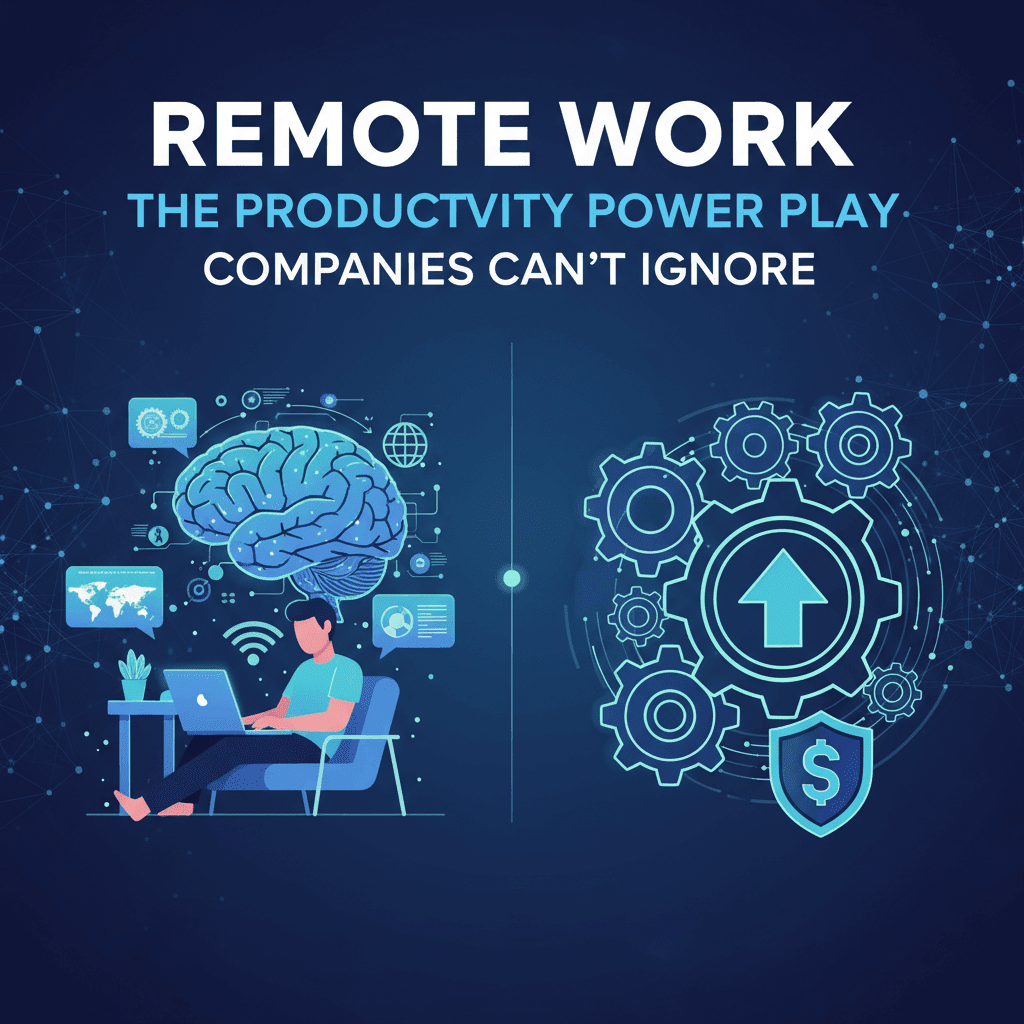
That contradiction sits at the heart of today’s remote work debate. As companies grapple with return-to-office (RTO) policies, a growing number of employees—and not a few managers—are questioning whether the push is really about productivity at all. The uncomfortable thesis gaining traction, especially in high-engagement Reddit discussions, is this: RTO is often less about performance and more about control.
This article explores why that narrative resonates, what the data actually says about productivity, how economic and cultural pressures shape executive decisions, and why remote work has become a power play companies can’t afford to ignore.
The Control Question: Why RTO Feels Like a Step Backward
Visibility Versus Value
For decades, management culture equated productivity with visibility. If I could see you typing, attending meetings, or staying late, you were “working hard.” Remote work shattered that illusion. Suddenly, output mattered more than optics, and not everyone was comfortable with that shift.
Research from Microsoft’s Work Trend Index found that 85% of leaders say the transition to hybrid work has made it harder to have confidence that employees are being productive. That statistic is revealing—not because productivity dropped, but because managerial confidence did.
- Actionable takeaway: If you’re a leader, audit how you measure performance. Are you tracking outcomes, or hours and presence?
- Actionable takeaway: Employees can proactively document wins and results, making value visible without physical presence.
Reddit’s Reality Check
On Reddit forums like r/antiwork and r/remotework, thousands of comments echo the same sentiment: “If productivity was the goal, why force us back when metrics were better at home?” These aren’t fringe complaints; they’re firsthand accounts from engineers, marketers, analysts, and managers citing missed childcare, longer commutes, and lower morale after RTO mandates.
The sheer engagement matters. When a single RTO announcement thread racks up tens of thousands of upvotes, it signals a disconnect between leadership narratives and employee lived experience.
- Actionable takeaway: Leaders should monitor unfiltered feedback channels—not to police them, but to understand morale risks.
- Actionable takeaway: Employees can use collective voices to push for data-driven discussions rather than emotional ones.
What the Productivity Data Actually Shows
Remote Work by the Numbers
Contrary to popular belief, multiple studies suggest remote work does not reduce productivity—and often increases it. A Stanford study of 16,000 workers over nine months found a 13% performance increase among remote employees. Later research during the pandemic indicated even higher gains for knowledge workers.
Why? Fewer interruptions, more autonomy, and reclaimed commute time. For me personally, cutting out a 90-minute daily commute translated into deeper focus and better work-life balance—benefits that directly improved my output.
- Actionable takeaway: Companies should run internal productivity experiments comparing remote, hybrid, and in-office teams.
- Actionable takeaway: Individuals can track personal productivity metrics to make a stronger case for flexibility.
The Office Myth
The idea that offices inherently boost collaboration is seductive—but flawed. Open-plan offices, long praised for teamwork, have been shown to reduce face-to-face interaction by up to 70%, according to a Harvard Business Review study. People retreat into headphones and messaging apps to escape constant distractions.
The office isn’t a magic productivity machine. It’s a tool—and like any tool, it works well for some tasks and poorly for others.
- Actionable takeaway: Match work modes to work types: deep focus at home, intentional collaboration in person.
- Actionable takeaway: Redesign office days around purpose, not attendance quotas.
Economic Pressures Behind the Push to Return
Real Estate and Sunk Costs
One rarely discussed driver of RTO is commercial real estate. Companies locked into long-term leases face empty buildings that symbolize wasted investment. Bringing employees back can feel like justifying those costs—even if it doesn’t improve performance.
This is where economics quietly shapes culture. It’s easier to ask employees to commute than to admit a multi-million-dollar lease no longer makes sense.
- Actionable takeaway: Executives should separate real estate decisions from talent strategy.
- Actionable takeaway: Consider subleasing or downsizing rather than mandating presence.
Power, Not Performance
There’s also a subtler factor: hierarchy. Remote work flattens organizations. When everyone’s a square on a screen, titles matter less than contributions. For some leaders, that erosion of traditional authority is uncomfortable.
RTO restores familiar power dynamics—corner offices, executive floors, visible status symbols. The question is whether that comfort comes at the cost of innovation.
- Actionable takeaway: Leaders should ask themselves what they fear losing with remote work—and why.
- Actionable takeaway: Employees can seek companies whose cultures prioritize trust over surveillance.
Case Studies: Companies That Leaned In—and Won
GitLab and Radical Transparency
GitLab, a fully remote company with over 1,500 employees, operates without a single headquarters. Its success hinges on documentation, asynchronous communication, and clear expectations. Productivity isn’t monitored through hours logged but through deliverables shipped.
The result? GitLab scaled rapidly while maintaining high employee satisfaction and clear accountability.
- Actionable takeaway: Invest in documentation and async tools before scaling remote teams.
- Actionable takeaway: Replace meetings with written updates where possible.
Hybrid Missteps and Lessons Learned
Contrast that with companies that rushed into hybrid models without clarity. Employees told to come in “three days a week” often ask: which days, and why? Without purpose, hybrid becomes the worst of both worlds—less flexibility and no added collaboration.
Some firms have quietly walked back rigid policies after seeing attrition spike, particularly among high performers with options.
- Actionable takeaway: Define the “why” behind in-office days and communicate it clearly.
- Actionable takeaway: Regularly review attrition and engagement data post-RTO.
The Human Cost of Control-Driven Policies
Burnout, Equity, and Access
RTO disproportionately affects caregivers, people with disabilities, and those living far from urban centers. Remote work expanded access to opportunities; rigid office mandates quietly roll that progress back.
Gallup reports that employees with remote flexibility show significantly lower burnout levels. Ignoring that data isn’t just inefficient—it’s risky.
- Actionable takeaway: Treat flexibility as an inclusion strategy, not a perk.
- Actionable takeaway: Solicit anonymous feedback from marginalized groups before setting policies.
Trust as a Competitive Advantage
At its core, the remote work debate is about trust. Do you believe adults will do meaningful work without constant oversight? Companies that answer “yes” are increasingly winning the talent war.
I’ve seen firsthand how trust fuels ownership. When people feel trusted, they act like owners—not clock-watchers.
- Actionable takeaway: Replace surveillance tools with clear goals and regular check-ins.
- Actionable takeaway: Celebrate outcomes, not attendance.
Where We Go From Here: A Call to Rethink Power and Productivity
The loudest voices in Reddit threads aren’t asking for less work. They’re asking for smarter work. They’re challenging leaders to confront an uncomfortable possibility: that the office was never the productivity engine it was assumed to be.
The real power play isn’t forcing people back—it’s building systems that work regardless of location. That requires humility, data literacy, and a willingness to let go of outdated control mechanisms.
My challenge to leaders is simple: prove that RTO improves outcomes, not optics. And my challenge to employees is equally direct: advocate for evidence, not emotion.
Remote work isn’t a temporary experiment anymore. It’s a structural shift in how value is created. Companies that ignore that reality may win short-term compliance—but they risk losing long-term loyalty, innovation, and trust.
The question isn’t whether remote work is productive. The question is whether we’re brave enough to lead without leaning on control.
Where This Insight Came From
This analysis was inspired by real discussions from working professionals who shared their experiences and strategies.
- Share Your Experience: Have similar insights? Tell us your story
At ModernWorkHacks, we turn real conversations into actionable insights.
![[Workflow Included] A simple 5-node Instagram posting workflow for beginners](https://modernworkhacks.com/wp-content/uploads/2026/04/workflow-included-a-simple-5-node-instagram-posting-workflow-for-beginners-1024x675.png)



0 Comments